
Enhance Property Value: The Role of Trees in Real Estate
How Trees Boost Property Value and Curb Appeal in Jacksonville
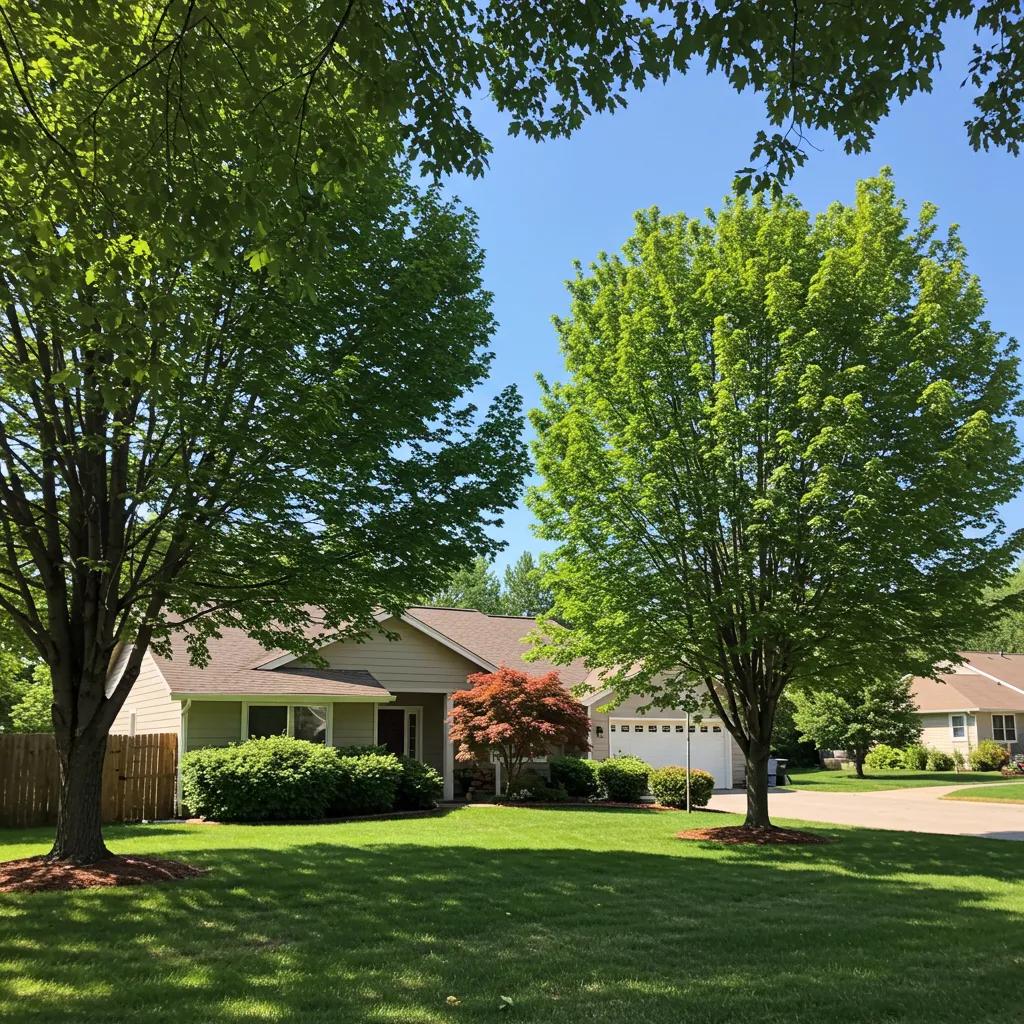
Trees are tangible property assets that increase home value by improving curb appeal, lowering energy costs, and reducing risk through managed health and removal. This guide explains how trees function as financial and aesthetic investments for Jacksonville homeowners, outlining measurable impacts, maintenance tactics, species selection, and when to remove or preserve trees to protect resale value. Many homeowners worry that trees are either a liability or an unnecessary expense; by defining mechanisms—shade and energy savings, buyer perception, and hazard mitigation—this article offers clear actions that translate arboriculture into dollars and days-on-market. You will learn what studies show about price uplift and faster sales, which local species provide the best return, how pruning and assessments preserve value, and when stump grinding or removal increases marketability. The following sections cover monetary impact with a scannable EAV table, professional trimming techniques, removal scenarios and regulations, stump grinding benefits, health-assessment practices, Jacksonville-specific species recommendations with a comparative table, problem prevention, and why homeowners may choose Jacksonville Tree Service for services like Tree Health Assessments and Tree Trimming and Pruning.
What Is the Monetary Impact of Trees on Property Value?
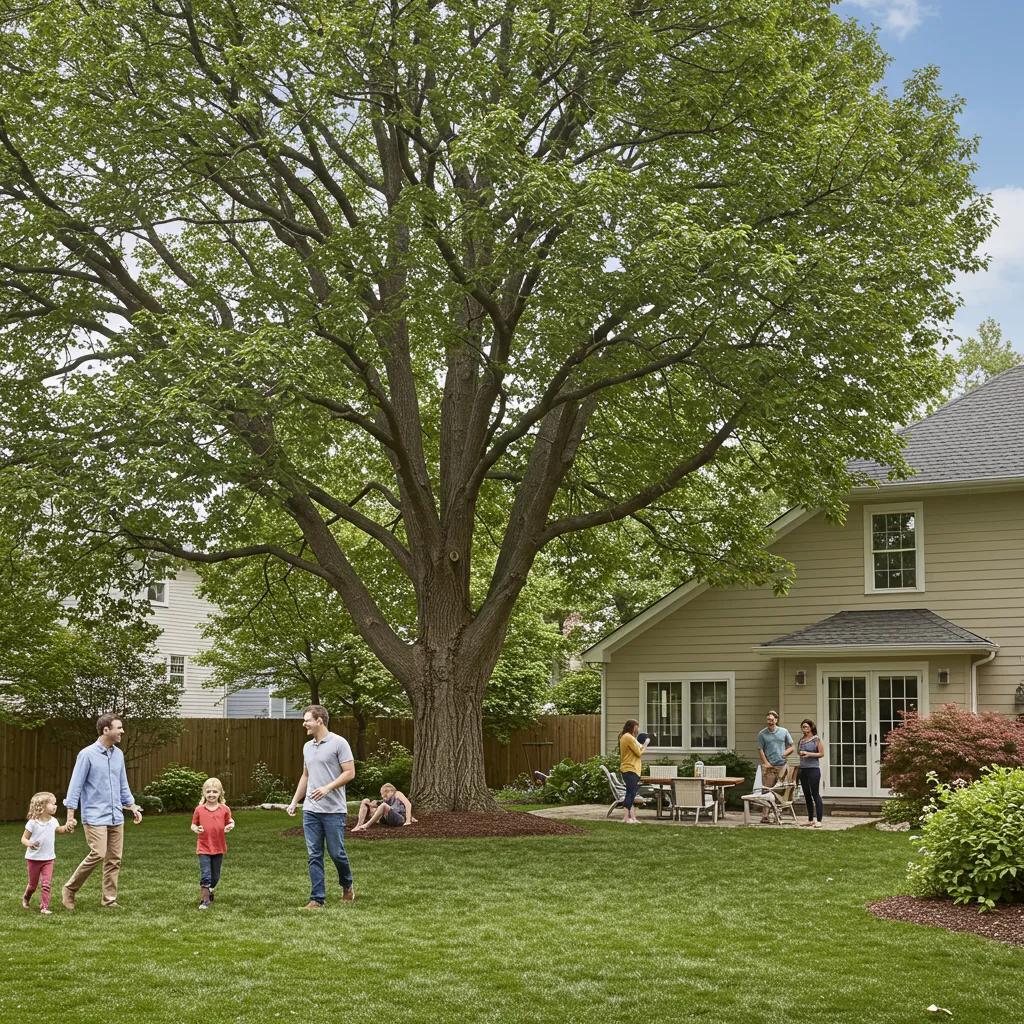
Trees increase property value by creating shade, privacy, and aesthetic appeal that buyers quantify as higher sale prices and faster closings. The mechanism works through improved curb appeal at listing photos and showings, energy-cost reductions that lower operating expenses, and psychological cues that signal well-maintained landscaping—each factor translating into measurable buyer willingness to pay. Recent studies and appraisal guidance indicate a typical uplift range that depends on tree size, species, and placement; understanding these metrics helps homeowners prioritize investment in pruning, planting, or assessment. Below is a concise table that maps common tree-related benefits to measurable outcomes so readers can scan expected impacts and compare priorities before scheduling professional services.
| Benefit | Measurable Outcome |
|---|---|
| Mature shade trees | Sale price increase: 7–19% increase reported in multiple landscape valuation studies (blogs.ifas.ufl.edu) |
| Street trees and curb appeal | Time-on-market reduction: Listings with mature street trees often sell faster by measurable margins (sherlocktree.com) |
| Strategic shade placement | Energy savings: Up to 20–50% cooling reduction in specific orientations leading to annual cost savings (blogs.ifas.ufl.edu) |
This table shows that different tree benefits map to distinct economic outcomes, and homeowners can use these metrics to prioritize treatments or plantings that deliver the greatest return. Translating these statistics into action, homeowners should invest in targeted maintenance such as Tree Health Assessments and Tree Trimming and Pruning to capture the full financial benefit of existing trees; a focused maintenance plan helps realize the percentage uplifts shown above and supports faster sales.
How Much Do Healthy Trees Increase Home Value?
Healthy trees increase home value by improving perceived quality and reducing operating costs, with numeric studies commonly citing a range between 7% and 19% uplift depending on context. The mechanism is buyer valuation: mature, healthy canopy signals established landscaping, greater energy efficiency, and neighborhood quality, which appraisers and buyers often convert into higher offers. For example, on a hypothetical Jacksonville home worth $300,000, a 10% uplift from mature shade and well-maintained landscaping would translate into a $30,000 increase in apparent market value. These ranges vary by species and placement, so homeowners should combine generic statistics with local species guidance to estimate their specific ROI.
This percentage-based view leads naturally to timing considerations: not only the increase in sale price matters but also how quickly a property moves off the market, which we address next.
Why Do Properties with Trees Sell Faster?
Properties with appealing trees sell faster because buyers form positive first impressions that reduce perceived risk and time spent negotiating over landscaping issues. The mechanism combines visual impact in listing photography with functional benefits—shade and privacy—that buyers prioritize, and this perception often shortens time-on-market by measurable amounts. Studies and market observations show that landscaped homes with mature trees tend to receive more viewings and offers, and quicker closings reduce carrying costs and demonstrate a practical financial advantage. Faster sales also reflect that buyers perceive lower near-term maintenance needs when trees are professionally managed.
Faster sales and buyer preference underscore why energy savings are another direct monetary benefit of strategic planting, which we examine next.
What Are the Energy Savings Benefits of Strategic Tree Placement?
Strategically placed trees reduce cooling loads and can cut energy costs significantly by shading east and west exposures and blocking prevailing winds, translating into dollar savings factored by buyers. The mechanism is straightforward: canopy intercepts solar radiation before it reaches roofs and walls, while deciduous trees can allow winter sun when needed; in Jacksonville’s warm climate this can mean 20–50% reduction in cooling energy for shaded systems and noticeable annual savings. Those savings accumulate over years and can be presented as reduced operating costs that appeal to energy-conscious buyers and appraisers. Strategic placement also improves comfort and lowers HVAC wear, which further protects perceived home value.
Understanding energy savings flows into maintenance tactics—pruning and trimming keep canopies where they provide maximum benefit—so the next section discusses how professional tree care boosts curb appeal.
How Does Professional Tree Trimming and Pruning Boost Home Curb Appeal?
Professional tree trimming and pruning enhance curb appeal by shaping canopy structure, removing visible defects, and improving light and sightlines that buyers notice in listings and visits. The mechanism includes structural pruning to reduce failure risk, aesthetic shaping to frame the house, and selective thinning to increase under-canopy light—each action improving visual appeal and safety. A professional approach prevents incorrect cuts that can harm tree health and reduce long-term value, so hiring trained arborists yields both immediate and lasting benefits for property appearance. Below is a practical list of trimming techniques homeowners should consider when planning maintenance for increased curb appeal.
- Crown thinning: selectively remove small branches to reduce density and improve light penetration.
- Crown raising: remove lower branches to enhance sightlines and allow landscaping below the canopy.
- Crown shaping: prune to create balanced form that complements the house’s architectural lines.
- Deadwood removal: remove dead or diseased branches to improve safety and visual health.
- Reduction pruning: shorten overextended limbs to prevent stress while maintaining canopy shape.
These techniques work together to improve listing photos, guest impressions, and long-term tree health, and homeowners see benefits most when pruning follows species-appropriate timing and methods.
What Tree Trimming Techniques Enhance Property Aesthetics?
Crown thinning, crown raising, shaping, and deadwood removal each contribute distinct aesthetic outcomes that buyers equate with good landscape stewardship. The mechanism is that consistent, species-appropriate cuts improve canopy symmetry, balance light distribution, and remove unsightly or hazardous limbs—creating cleaner sightlines for photos and showings. In Jacksonville, timing matters: pruning during appropriate seasons prevents stress and promotes healthy regrowth, and skilled arborists tailor cuts to native species’ growth patterns. Visual examples typically show immediate improvement in curb appeal and staging readiness after correctly applied techniques.
Clear, correct pruning also reduces risk and sets the stage for structural maintenance, which we discuss next.
How Does Tree Maintenance Improve Safety and Home Value?
Regular maintenance reduces the likelihood of limb failure, root hazards, and storm-related damage that can cause expensive repair and insurance complications, protecting both occupants and property value. The mechanism is risk reduction: by identifying structural defects and pruning to correct them, homeowners limit exposure to liability and preserve the tree as an asset rather than a liability. A preventative schedule aligned with species growth cycles minimizes emergency removals and preserves the tree’s aesthetic contribution to resale value. Establishing a maintenance record documented by professionals reassures buyers and supports appraisal evidence of care.
Safety-focused maintenance naturally raises the importance of certified professionals; the next subsection explains why certification matters.
Why Choose ISA Certified Arborists for Tree Care?
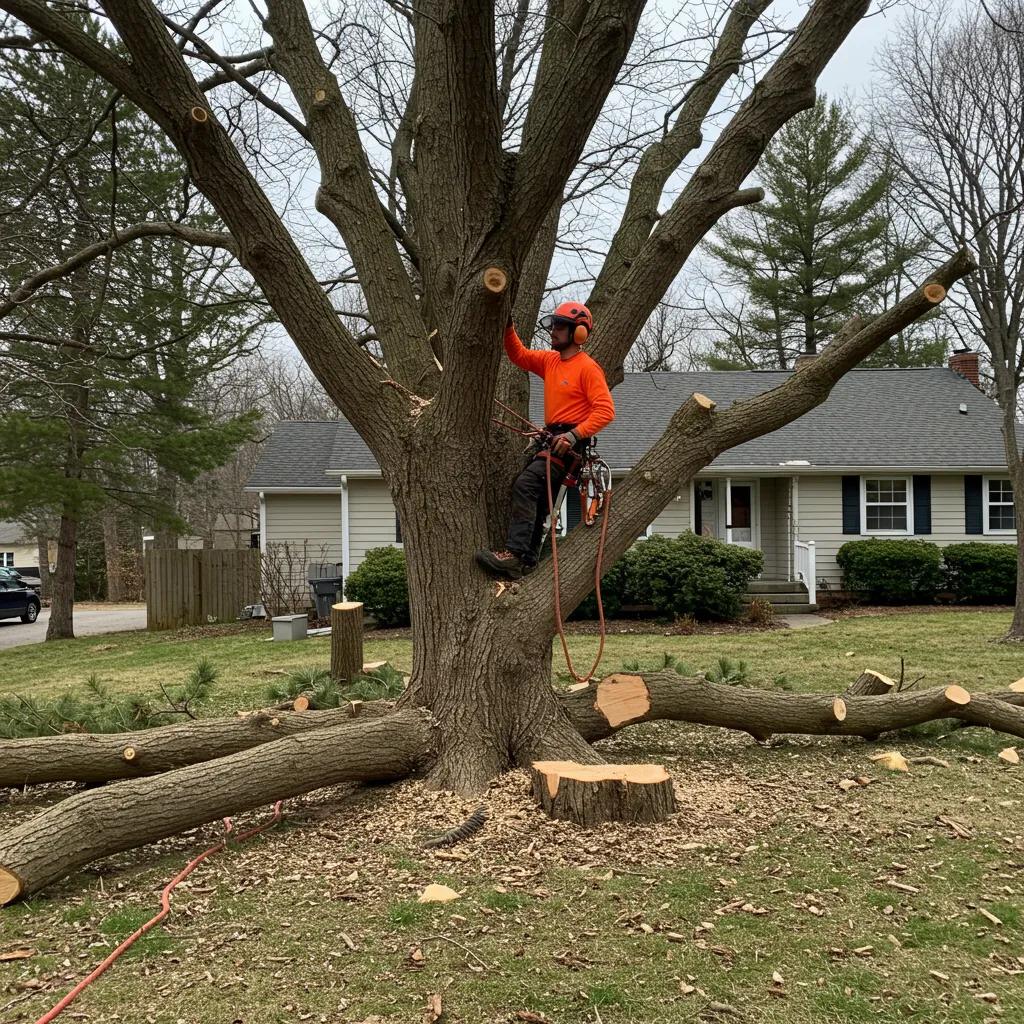
ISA Certified Arborists apply standards-based diagnosis and pruning methods that protect tree structure and longevity, translating professional care into documented value for buyers. Certification indicates training in species-specific care, risk assessment, and industry-accepted pruning techniques, which reduces the risk of incorrect cuts that shorten tree life or create hazards. Using certified arborists provides homeowners with defensible maintenance records that can be shown to potential buyers or appraisers as evidence of responsible stewardship. That credibility supports both immediate curb appeal and long-term asset preservation for the property.
Research consistently shows that preserving trees during development positively influences real estate value.
Tree Preservation’s Impact on Residential Development and Real Estate Value
This research explores the relationship between tree preservation and its influence on residential development and real estate value. It examines how maintaining existing trees can positively impact property values and the desirability of residential areas.
Tree preservation and its impact on residential development and real estate value, 2008
When and How Does Tree Removal Affect Property Value?
Tree removal affects property value differently depending on the reason: removing hazardous or diseased trees typically increases safety and marketability, while removing healthy mature trees may reduce curb appeal and value. The mechanism hinges on replacement cost and buyer perception—removal that eliminates a clear liability usually prevents price reductions and insurance issues, whereas removing a valued specimen without replacement can lower sale price. Below is a structured table that helps homeowners evaluate common removal scenarios and likely impacts so they can make informed choices in Jacksonville’s regulatory context.
| Removal Scenario | Reason/Outcome | Likely Impact on Value |
|---|---|---|
| Hazardous or diseased tree removal | Eliminates safety risk and liability | Increases marketability; avoids price penalties (sherlocktree.com) |
| Removal for development or landscape redesign | Opens space for additions or yards | Can increase utility and appeal if well planned (sherlocktree.com) |
| Unpermitted removal or removal of protected species | Regulatory non-compliance | Can decrease value; risk of fines and sale complications (sherlocktree.com) |
This table helps homeowners decide when removal is value-positive and when retention with maintenance is preferable, and it leads into concrete benefits of removing hazardous trees versus retaining healthy canopy.
What Are the Benefits of Removing Hazardous or Diseased Trees?
Removing hazardous or diseased trees reduces immediate safety risks and potential liability, which preserves buyer confidence and can prevent price reductions or stalled transactions. The mechanism is risk elimination: buyers and insurers often discount properties with visible hazards, so removal restores marketability and can avoid costly claims after storm events. A short cost-avoidance illustration shows how preventing roof or vehicle damage saves on repair costs that would otherwise lower net sale proceeds. Documented removal by professional crews also reassures appraisers and buyers that the property poses no imminent threat.
How Does Tree Removal Open Space for Landscaping and Development?
Tree removal can unlock functional space—patios, additions, or new planting beds—by eliminating root interference and improving sunlight and sightlines essential to many design plans. The mechanism is utility conversion: once a tree and stump are removed, grading, excavation, and construction proceed without structural root complications, enabling higher-utility uses that buyers value. A before/after concept often shows small-lot improvements that increase usable square footage and enhance landscaping return on investment. Planning removals with landscape designers or contractors ensures the new layout maximizes resale appeal.
What Jacksonville Regulations Affect Tree Removal and Home Value?
Local regulations may require permits for certain removals, protect native or significant trees, and impose penalties for non-compliance, and these rules directly affect saleability and appraisal if violations exist. The mechanism is legal compliance: unpermitted removal or harm to protected species can lead to fines, mandatory remediation, or reduced buyer confidence, all of which harm value. Homeowners should verify city or county codes before removing trees and consider professional guidance to navigate permit processes and mitigation options. Ensuring compliance preserves value and avoids transactional delays tied to regulatory concerns.
What Are the Benefits of Stump Grinding for Real Estate Value?
Stump grinding and removal improve aesthetics, safety, and development readiness by eliminating tripping hazards, visible decay, and regrowth risks that deter buyers. The mechanism is elimination of negative visual and functional elements: removed stumps clean up the landscape photos, reduce pest attraction, and permit grading or new plantings that increase usable land. Below is a brief list of key benefits homeowners can expect when stumps are professionally ground and removed.
- Aesthetic improvement: Removal creates clean sightlines for staging and photos.
- Safety reduction: Eliminates tripping hazards in yards and play areas.
- Pest and disease control: Removes decay hosts that attract insects and fungi.
- Development readiness: Frees space for grading, patios, and planting without root interference.
These benefits make stump work a practical investment before listing a home, and a typical case example demonstrates the effect on staging and cost savings.
How Does Stump Removal Improve Land Aesthetics and Safety?
Stump grinding transforms a fragmented landscape into a cohesive visual plane, improving curb appeal and removing immediate tripping hazards that buyers notice during showings. The mechanism includes grinding below grade to allow topsoil replacement and reseeding or mulching, which restores a uniform lawn or planting bed and removes focal points of decay. For families and staging, the absence of stumps makes yards usable and safer for children and pets, which increases buyer perception of usable outdoor space. Professional stump removal also reduces the likelihood of pest colonization that could otherwise diminish perceived maintenance quality.
Why Is Clearing Stumps Important for Property Development?
Clearing stumps removes impediments to excavation, grading, and foundation work, preventing future structural root problems and enabling quicker construction timelines that enhance development-linked value. The mechanism is removal of physical barriers: with stumps ground and root collars removed, contractors can grade and install utilities without unexpected root interference or hidden voids. This reduces unexpected costs during renovation or addition projects and allows accurate site planning that buyers will appreciate. Preparing a site properly avoids delays that can erode buyer confidence and push out closings.
How Do Tree Health Assessments Protect Your Property Investment?
Tree health assessments detect structural defects, disease, and root problems early so owners can remediate issues before they become expensive liabilities that reduce value. The mechanism is early diagnosis: systematic inspections identify decay, pest infestations, and soil or root-zone stress, enabling targeted interventions like pruning, bracing, or treatment that preserve the tree as an asset. A professional assessment also creates documentation of condition and recommended actions that supports buyer trust and appraisal narratives. Below is a practical checklist of what a thorough assessment includes and why each item matters to long-term property value.
- Structural inspection for defects and load-bearing concerns to prevent limb failure.
- Pest and disease survey to identify treatable infestations before spread.
- Root-zone and soil evaluation to detect compaction, drainage, or nutrient issues.
- Canopy and foliage assessment to grade overall tree vigor and decline risks.
Assessments guide interventions that often avoid emergency removal, which preserves both cash value and buyer perception.
What Does a Professional Arborist Look for in Tree Health?
A professional arborist inspects trunk decay, branch unions, canopy dieback, pest signs, and root-zone conditions to form a diagnosis and recommended treatment plan. The mechanism is systematic observation and measurement: decay cavities, fungal fruiting bodies, included bark at branch unions, or reduced foliar density each indicate different interventions from pruning to targeted treatments. Arborists also assess soil compaction and drainage, which directly affect root health and long-term stability; addressing these improves tree longevity and the asset’s contribution to property value. Documented findings and recommended schedules support ongoing maintenance and buyer confidence.
How Does Early Disease Detection Preserve Property Value?
Early disease detection preserves property value by enabling economical treatments that save the tree and prevent emergency removal, avoiding both the removal cost and the loss of a valuable landscape asset. The mechanism involves interrupting pest or disease progression when interventions are cheaper and more effective, for example treating localized infections versus removing a whole tree later. A short ROI example shows that treatment costing a fraction of removal can prevent a price hit associated with losing a mature specimen valued by buyers. Maintaining healthy trees also keeps energy-saving benefits accumulating year over year.
What Are the Long-Term Financial Benefits of Tree Maintenance?
Long-term maintenance extends tree lifespan, preserves cumulative energy savings, and maintains curb appeal that compounds over multiple sale cycles, translating into a measurable pacing of value retention. The mechanism combines lifecycle cost avoidance and steady asset performance: proactive pruning, assessments, and root care reduce replacement frequency and sustain canopy contributions to shade and aesthetics. Over a multi-year horizon, the cumulative energy savings and deferred replacement costs yield a positive net present value that supports homeowners’ investment in professional care. Documented maintenance records also strengthen resale narratives and may improve appraisal outcomes.
Tools like i-Tree can help quantify the economic benefits that trees provide, offering a basis for understanding their value.
Assessing the Economic Value of Trees with i-Tree Tools
i-Tree tools offer a means to assess and value the impact of trees and forests from the local parcel level to a regional landscape scale for several key ecosystem services. While more research is needed to fully quantify the economic benefits of trees, current tools and research provide a strong basis for understanding and valuing the contributions of urban trees.
Assessing the benefits and economic values of trees, DJ Nowak, 2017
Which Tree Species Are Best for Increasing Property Value in Jacksonville?
Selecting species suited to Jacksonville’s climate maximizes shade benefits, lowers maintenance, and reduces pest or storm damage risk—all of which increase long-term property value. The mechanism is ecological fit: native or well-adapted trees establish faster, resist local pests, and require less corrective pruning, delivering consistent canopy benefits that buyers value. The table below compares recommended native and region-appropriate species with practical attributes and expected benefits to help homeowners prioritize plantings for energy savings, low maintenance, and curb appeal.
| Tree Species | Key Benefit | Typical Impact/Notes |
|---|---|---|
| Live Oak (native) | Long-lived shade and structural presence | High curb appeal; deep root system, low turnover (anytowntree.com) |
| Southern Magnolia (native) | Year-round ornamental value | High aesthetic value, moderate maintenance (anytowntree.com) |
| Crape Myrtle (adaptable) | Seasonal flowering and manageable size | Good for street-level appeal and low maintenance (anytowntree.com) |
| Avoid: Invasive species | Risk of root damage and high litter | Can reduce value due to maintenance costs (anytowntree.com) |
What Native Trees Offer the Highest ROI for Jacksonville Homes?
Native live oaks and southern magnolias typically offer high ROI because they provide long-lived canopy, establish strong structure, and require relatively less replacement over decades. The mechanism is longevity and permanence: mature trees that endure for generations anchor landscapes and appear in neighborhood character studies that appraisers use. Crape myrtles offer strong seasonal curb appeal with manageable size for smaller lots, offering a quicker visual return on investment. Choosing the right species also reduces future pruning and root-management costs, preserving net value over time.
How Does Strategic Tree Planting Maximize Energy Savings and Appeal?
Strategically planting shade trees on east and west exposures and windbreaks to the north reduces cooling loads and frames the house for visual appeal, creating a combined energy and aesthetic return. The mechanism is directional canopy placement: deciduous trees on the west and east provide summer shade while allowing winter sun, and evergreen windbreaks reduce seasonal heating loads and storm impact. Recommended spacing and timing consider mature canopy spread to avoid future conflicts with structures and utilities; planning for a 10–20 year growth horizon optimizes both comfort and resale value. Proper placement also supports landscape cohesion that buyers appreciate.
Strategic placement of shade trees has been shown to significantly reduce energy consumption in residential settings.
Optimizing Energy Savings with Strategic Shade Tree Placement
This study investigated the potential for shade trees to enhance energy conservation in residential developments. By analyzing the impact of tree placement on energy consumption, we found that strategic planting can lead to significant annual energy savings per parcel.
Enhancing the energy conservation benefits of shade trees in dense residential developments using an alternative tree placement strategy, PE Wiseman, 2017
Which Trees Should Jacksonville Homeowners Avoid to Protect Value?
Homeowners should avoid species known for invasive roots, excessive litter, or high storm-failure risk, as these traits lead to infrastructure damage, higher maintenance bills, and buyer concerns. The mechanism is risk transfer: problematic species increase the probability of root intrusion into pipes, frequent pruning costs, and nuisance debris that reduces curb appeal. Signs a tree is reducing value include visible root heave near walkways, excessive fruit/seed drop that deters buyers, or recurring decay. Remediation strategies include targeted pruning, root barriers, or replacement with low-risk species.
When Can Trees Decrease Property Value and How Can You Prevent It?
Trees become liabilities when diseased, overgrown, or causing infrastructure damage, lowering buyer perception and sometimes leading to price reductions. The mechanism is visible decline and risk: buyers notice asymmetry, dead branches, root damage, or pest signs and may discount offers or demand repairs. Preventing value loss requires proactive services—pruning, bracing, root management, and assessments—to address issues early and avoid emergency outcomes. Below is a list of common professional services that prevent or remediate tree-related damage so homeowners can match problems to solutions.
- Preventative pruning and structural support to reduce limb failure and storm damage.
- Regular tree health assessments to detect and treat disease early.
- Root management and grading adjustments to prevent infrastructure interference.
- Stump grinding and removal to eliminate trip hazards and enable landscaping.
Matching the right service to a specific problem prevents small issues from becoming value-reducing liabilities.
How Do Diseased or Overgrown Trees Lower Home Value?
Diseased or overgrown trees lower home value by signaling neglect, creating visible hazards, and increasing perceived maintenance costs that buyers factor into offers. The mechanism includes aesthetic degradation, increased liability risk, and potential for structural damage that leads to repair expenses, sometimes equating to a 5–10% decrease in perceived value in extreme cases. Buyers may also worry about root-related foundation or plumbing impacts, leading to inspection contingencies or reduced bids. Early intervention prevents escalation and preserves both curb appeal and negotiated sale price.
What Professional Services Prevent Tree-Related Property Damage?
Professional services such as pruning, cabling and bracing, root evaluation, and scheduled health assessments directly prevent property damage by correcting structural issues and addressing declining vigour. The mechanism is targeted intervention: pruning redistributes loads, bracing supports weak unions, and root-management reduces pressure on foundations and underground utilities. These services reduce emergency removal likelihood and can be tied to predictable maintenance budgets that buyers view favorably. Short use-cases show how preventive pruning avoided limb failure in storms and reduced insurance claims.
How Does Emergency Tree Service Protect Your Home After Storms?
Emergency tree service stabilizes hazardous trees and removes immediate threats, minimizing additional property damage and supporting insurance claims with timely documentation. The mechanism is rapid hazard mitigation: removal of hanging limbs, securing unstable trees, and staged clean-up reduce the window for secondary damage to roofs, vehicles, or utilities. Professional emergency response also documents conditions and actions taken, which assists homeowners with insurance adjusters and helps preserve resale narratives post-storm. Quick mitigation reduces both repair costs and the likelihood that buyers will devalue the property due to recent storm damage.
Why Choose Jacksonville Tree Service for Tree Care That Increases Property Value?
Jacksonville Tree Service is a local provider offering a full range of tree and yard services designed to protect and enhance property value, including Full Tree Removal, Emergency Tree Removal, Stump Grinding and Removal, Tree Trimming and Pruning, and Tree Health Assessments. The mechanism is integrated service delivery: combining assessment, corrective pruning, and documented maintenance creates a defensible care history that supports buyer confidence and appraisal claims. The company emphasizes safety, transparency, and professional credentials—ISA Certified arborists and fully insured crews—that reduce homeowner risk when investing in tree care. Below is a concise list of company value propositions that matter when selecting a partner to protect or increase home value.
- ISA Certified Arborists: Standards-based diagnosis and pruning protect tree health.
- 24 HR Emergency Service: Rapid hazard response to minimize storm damage.
- Free Quotes and Transparent Pricing: Predictable estimates that aid budgeting.
- 100% Satisfaction Guarantee: Focus on completing work that meets homeowner expectations.
These UVPs combine to make professional interventions more likely to deliver the value outcomes outlined earlier, and they lead into how certification, emergency service, and transparent pricing function in practice.
How Do ISA Certified Arborists Ensure Expert Tree Care?
ISA Certified Arborists follow industry standards for diagnosis, pruning, and risk assessment, ensuring treatments align with species biology and long-term health goals. The mechanism is competency: certification indicates training in proper pruning cuts, structural support techniques, and pest/disease recognition—reducing the chance of harmful practices that shorten tree life. Using certified professionals yields documented care records that strengthen resale narratives and provide buyers with confidence in the property’s landscape history. Certification also aids in navigating permit or regulatory questions by applying recognized assessment language.
What Are the Benefits of 24-Hour Emergency Tree Services?
24-Hour Emergency Tree Services reduce the window for secondary damage by responding promptly to fallen trees, hanging limbs, and other hazards, thereby minimizing repair costs and protecting occupants. The mechanism is timely intervention: rapid removal and stabilization prevent further roof or structural damage, expedite insurance reporting, and restore safe access to the property. Emergency crew documentation of conditions and actions taken also supports claims and resale disclosures following a storm. Fast response helps homeowners contain losses and maintain the property’s marketability.
How Does Transparent Pricing and Free Quotes Support Homeowners?
Transparent pricing and free quotes help homeowners compare options, budget for necessary work, and reduce negotiation friction during a sale by providing clear scope and estimated costs ahead of commitment. The mechanism is information symmetry: a detailed quote that lists inspection findings, recommended treatments, and cost ranges reduces surprises and strengthens seller credibility during negotiations. A typical free quote includes visual inspection notes, scope of work, and a range for likely costs, enabling informed decisions tied to projected ROI from pruning, removal, or stump grinding. This clarity encourages preventive care that preserves or increases property value.
What Are Common Questions About Trees and Property Value Near You?
Homeowners often ask concise, result-oriented questions about value impact, species choices, and whether investing in tree care makes financial sense; clear answers help capture those decisions. The mechanism for this FAQ-style section is short direct responses supported by one- to two-sentence elaborations that reference the metrics and practices covered earlier. Each short answer is designed for clarity for buyers and sellers evaluating tree-related actions and to provide rapid guidance for scheduling assessments or services.
How Much Value Do Trees Add to a Home?
Healthy, well-placed trees commonly add between 7% and 19% to home sale price depending on species, size, and placement, with variability based on local market preferences and maintenance history. This numeric range comes from landscape valuation studies and reflects how canopy and landscaping influence buyer offers; factors such as a tree’s health and proximity to the home modify the effect. For an accurate estimate, combine these general percentages with a local appraisal or professional Tree Health Assessment to quantify the effect for a specific Jacksonville property.
Do Fruit Trees or Palm Trees Increase Property Value?
Fruit trees can add value through productive landscaping and charm but may impose maintenance or litter that buyers weigh, while palm trees are regionally aesthetic but often neutral in value depending on context and maintenance. The mechanism is buyer preference: fruit trees that are well-maintained and integrated into a usable yard can be assets, whereas messy or poorly sited fruit trees may be liabilities. Palms serve as a regional design element in Jacksonville but require proper placement and upkeep to avoid being perceived as low-maintenance or risky. Consider the balance of charm versus maintenance when deciding whether to keep or plant these species.
Is It Worth Investing in Tree Care for Home Value?
Investing in tree care is often worth it when focused on pre-sale pruning, hazard mitigation, and health assessments that protect high-value trees or remove liabilities, because these services directly improve price and speed of sale. The mechanism is targeted intervention: relatively modest expenditures on pruning or assessment frequently prevent revenue losses from emergency removals or buyer discounts. Prioritized services include Tree Health Assessments, Tree Trimming and Pruning, and stump work when preparing to list, as these create immediate visual and documented value for appraisers and buyers.
What Is the Return on Investment of Tree Services?
Typical ROI ranges depend on service type: pruning and staging often yield strong short-term returns by improving listing presentation, while removals and stump grinding pay off when they remove liabilities or enable development; overall, landscaping ROI studies often place qualified tree work among high-impact exterior investments. The mechanism is service-to-outcome mapping: targeted maintenance that preserves a healthy canopy or removes hazards increases sale price and decreases days-on-market, while corrective interventions that enable additional usable space increase utility-based value. Service quality and local market conditions determine exact ROI, so homeowners should pair studies with professional assessments for precise estimates.
This completes the homeowner-focused guidance on species, services, and ROI, and the article ends here with practical recommendations for action and professional evaluation.
Our Partners