
Discover Local Tree Service Mentions on Twitter and Facebook

How to Find and Assess Local Tree Service Mentions on Social Media
Social media mentions for tree services are public comments, ratings, photos, and discussions posted on platforms like Facebook, Twitter, and community forums that signal a company’s local reputation and recent work. These mentions work because they combine user-generated evidence (photos, timestamps, service descriptions) with platform metadata (ratings, engagement) to provide homeowners a quick, practical way to assess safety, timeliness, and cleanup quality before hiring. This article teaches homeowners how to search for, verify, and interpret social media mentions so they can make safer, faster local hiring decisions for tree removal, pruning, and emergency response. Many homeowners face uncertainty when a downed limb or storm damage requires urgent attention; by learning platform-specific signals and verification checklists, readers will know which mentions to trust and which to investigate further. The guide maps the process across seven main sections: definitions and platform differences, actionable search and vetting steps, evaluation criteria with EAV comparisons, a local company profile example, how to leave useful reviews, recent trends and statistics for 2024–2025, and practical monitoring and reputation tactics for small businesses. Throughout, keywords like Facebook, social media mentions, Twitter, and ISA certified tree service reviews are woven into practical steps and checklists to help you find reliable local recommendations.
What Are Tree Service Reviews on Facebook and Other Social Media Platforms?
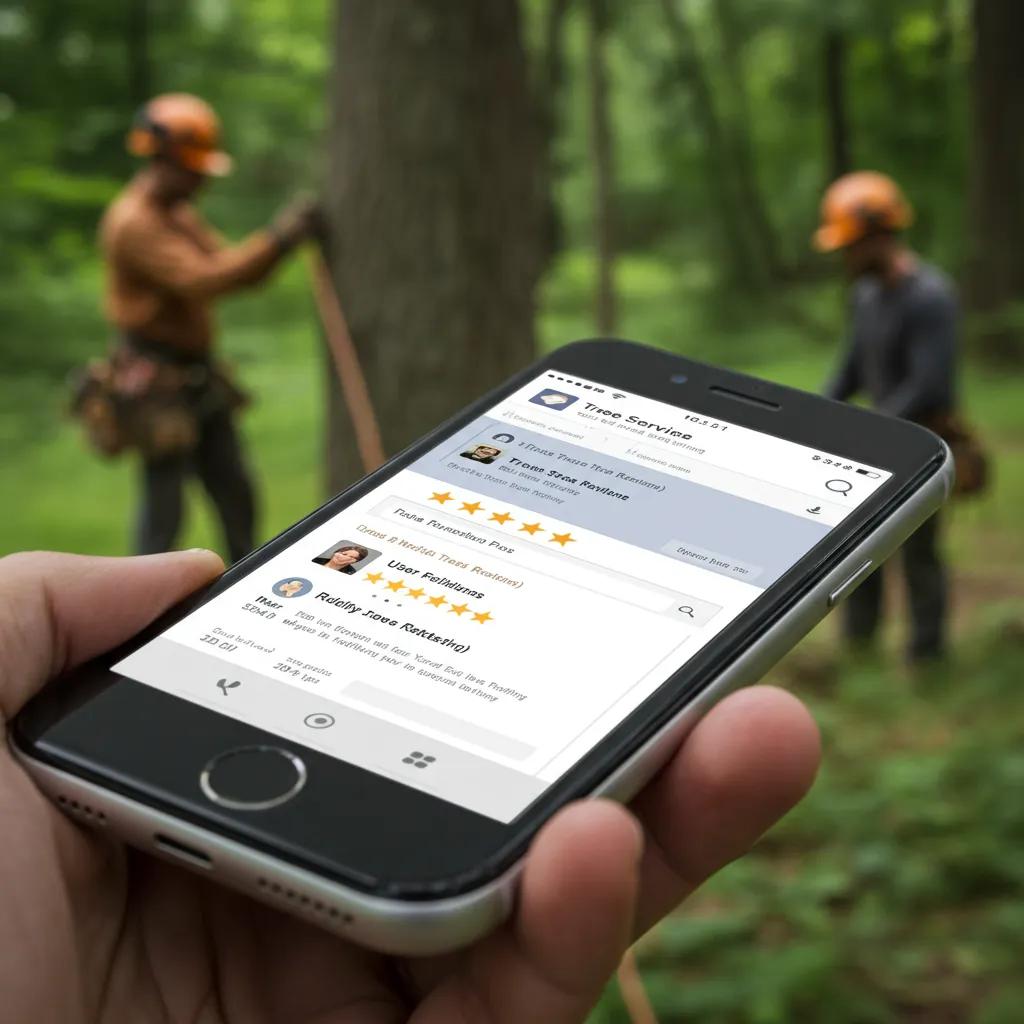
Tree service reviews on social media are user posts and platform-native reviews that describe the work performed, note response time, and often include photos that demonstrate outcomes. These mentions function as on-the-ground evidence because reviewers typically cite the service type, timing, and results, and platforms attach metadata like star ratings, timestamps, and engagement counts that add credibility. For homeowners, social media reviews offer a rapid snapshot of local providers’ competence, safety practices, and pricing transparency and are particularly useful when searching for emergency tree service or scheduled trimming. Understanding platform differences helps you prioritize signals from Facebook business pages, Google profiles, and rapid-fire Twitter mentions when time or safety is at stake.
What Defines a Facebook Tree Service Review?
A Facebook tree service review includes a star rating, written commentary, optional photos or videos, and a timestamp linked to the reviewer’s profile and activity history. This combination matters because photos show actual cleanup quality and text often details communication and costs, while timestamps demonstrate recency — critical for storm-response reliability. To evaluate authenticity on Facebook, check whether the reviewer has local connections, prior reviews, and whether multiple users corroborate similar experiences; these factors reduce the chance of biased or fake mentions. If a review lacks photos or dates, follow up by asking the reviewer or scanning comments for corroborating details before relying on that single mention.
How Do Google and Twitter Reviews Influence Tree Service Reputation?
Google reviews carry weight because aggregate ratings feed local search ranking signals and are visible directly in search and maps results, which influence initial visibility when homeowners search “tree service near me.” In contrast, Twitter and similar short-form platforms serve as rapid alerts and word-of-mouth channels that can amplify urgent reports during storms or emergencies; retweets and replies provide a real-time sense of how broadly an issue or praise is spreading. The practical effect is that Google aggregate ratings can determine which companies appear first in local results, while Twitter can reflect urgent reliability and immediate community sentiment. When evaluating both, prioritize recent, detailed Google reviews for baseline reputation and Twitter for time-sensitive confirmation.
Why Are Social Media Mentions Important for Local Tree Service Selection?
Social media mentions reduce hiring risk by revealing safety practices, timeliness, and the thoroughness of cleanup through firsthand accounts and visual proof. They also reveal service patterns—such as repeated notes about emergency tree removal or consistent stump grinding quality—that predict future performance for nearby homeowners. Using social proof from multiple platforms allows you to triangulate a provider’s competence: star ratings give a quick signal while photos and comment threads supply context and verify claims. When choosing a provider after reading mentions, prefer profiles with clear credential statements, recent visual evidence, and active engagement from the business answering questions or acknowledging issues.
Jacksonville Tree Service provides a concrete example of how platform-native profiles combine service descriptions with claimed credentials; later sections show how to look for ISA certification, emergency service claims, and insurance mentions on company profiles.
How Can Homeowners Find Reputable Tree Service Recommendations on Social Media Near Me?
Finding reputable recommendations begins with targeted queries, group scouting, and a verification checklist that confirms credentials and recency. Searches should combine platform names with service keywords and locality to surface business pages, group recommendations, and recent posts mentioning tree removal or emergency tree service. Once you find candidate mentions, apply a verification checklist—reviewer locality, timestamp, presence of photos, multiple corroborating mentions, and explicit credential statements like ISA certification or proof of insurance. These steps help homeowners filter out irrelevant or suspicious mentions and prioritize companies that demonstrate safety, transparency, and timely response.
Which Facebook Groups and Pages Offer Trusted Local Tree Service Advice?
High-quality local groups and pages typically show active moderation, frequent local participation, and pinned resources listing trusted providers; these moderation signals indicate community vetting. Look for groups with recent, specific posts about tree work, visible local member names, and moderator responses; such features suggest the advice is community-curated rather than promotional spam. When a group includes multiple independent posts recommending the same provider for similar services, that triangulation increases confidence in the recommendation. Use those group signals to compile a short list of providers, then cross-check their business pages and Google reviews for corroborating evidence.
- Active local group signals include recent posts, moderator responses, and multiple independent recommendations.
- Community moderation reduces spam and fake endorsements.
- Corroboration across group posts and business pages increases trust.
These indicators let you narrow candidates before running credential checks on their profiles.
How to Verify Tree Service Credentials Like ISA Certification and Insurance on Social Media?
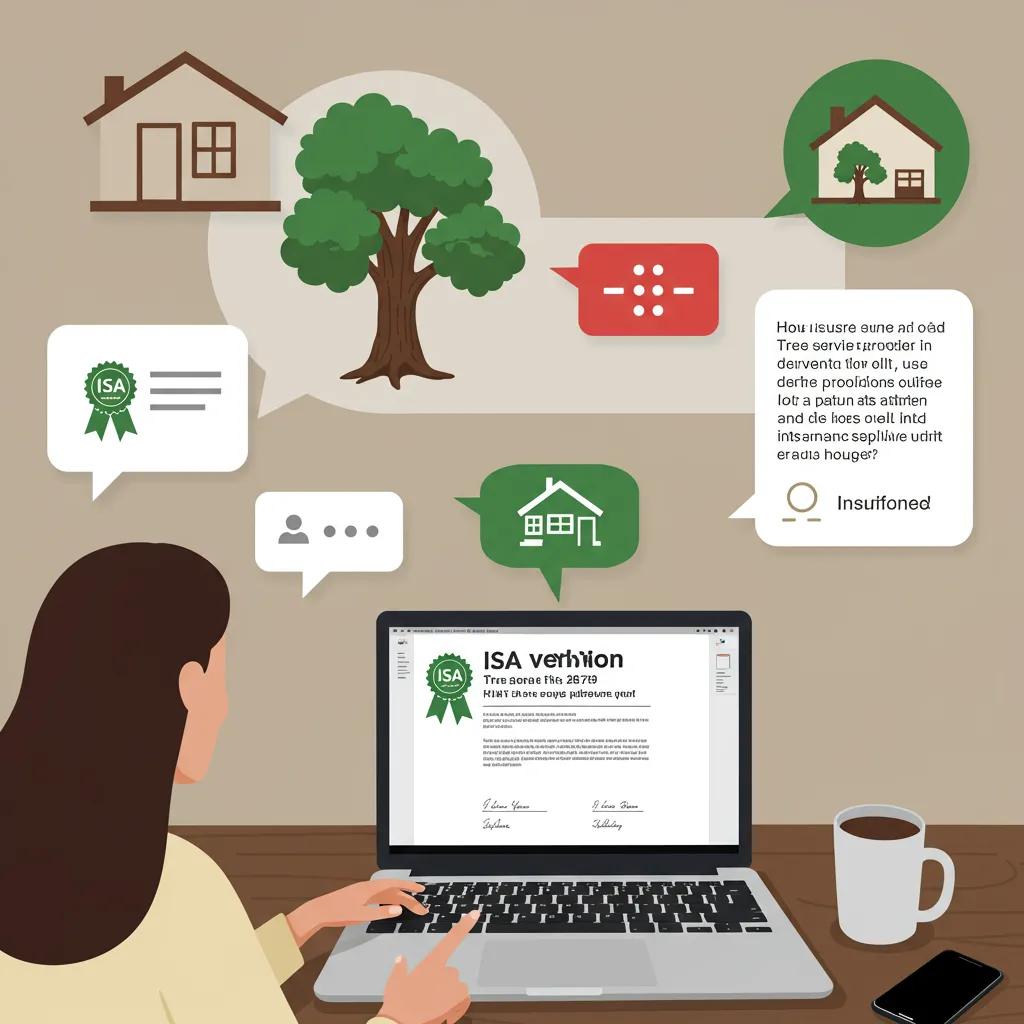
Verifying credentials requires direct questions and cross-checks: ask a provider to post or message an ISA certification number and a certificate of insurance (COI), and then confirm those details through any available third-party registry or the insurer if possible. On social profiles, look for explicit mentions such as “ISA Certified” or “fully insured” and request documentation when engaging; responsible companies usually share proof or offer to email certificates. For example, when a profile claims 24-hour emergency services or ISA certification, homeowners should confirm those claims by asking for proof and checking timestamps on emergency-related posts for consistency. These practical steps separate credible businesses from those making unverified claims and reduce the chance of hiring an underinsured crew.
What Are Common Red Flags in Online Tree Service Mentions?
Common red flags include overly generic praise without specifics, identical copy pasted across multiple profiles, absence of photos for physical work, evasive answers from providers about insurance, and unusually low prices without explanation. These signs suggest low credibility or potential scams and warrant further verification such as requesting a written estimate, proof of insurance, and references. If multiple reviewers use repeating language or accounts lack any other activity, treat those mentions with caution and prioritize providers with diverse, detailed feedback. When you see these red flags, seek alternative recommendations and ask for documented proof before scheduling work.
How to Interpret and Evaluate Tree Service Mentions and Reviews on Social Media?
Interpreting social mentions requires focusing on key attributes—safety, timeliness, price transparency, and cleanup quality—and comparing mentions across posts using structured EAV analysis to spot consistent patterns. Aggregate ratings offer a surface-level signal, but the substance of review bodies, the presence of photos, and reviewer credibility give the necessary context. To make this practical, use an EAV-style comparison table to catalog attributes mentioned across multiple reviews so you can prioritize providers that repeatedly score high in safety and prompt emergency response. This approach reduces bias from a single outlier review and helps you make evidence-based hiring choices.
Intro to the EAV table below: the table compares common review attributes across sample mentions to highlight which signals matter most when evaluating tree service quality.
| Attribute | What to Look For | Why It Matters |
|---|---|---|
| Safety mentions | References to protective gear, safety protocols, or certified arborists | Indicates professional standards and reduced liability |
| Timeliness | Notes about arrival time, scheduling speed, or emergency response | Predicts reliability during storms and urgent needs |
| Cleanup quality | Comments and photos showing debris removal and property condition | Reflects thoroughness and respect for the property |
| Price transparency | Clear estimates, breakdowns, or comparisons in review text | Reduces risk of surprise charges |
| Photos/videos | Before/after images or short clips | Provides visual verification of the work performed |
This table clarifies how attribute-level evidence combines to form a trustworthy reputation profile, and homeowners should weight safety and timeliness particularly heavily for emergency tree removal decisions.
What Should You Look for in Tree Service Reviews on Facebook and Google?
Search for repeated mentions of safety practices, clear descriptions of the work performed (e.g., full tree removal, stump grinding and removal, tree trimming and pruning), timestamps that indicate recency, and photos that validate cleanup claims. Reviews that name specific crew behaviors—protecting structures, pruning techniques, or root removal outcomes—are more meaningful than generic praise. Multiple reviews that reference similar strengths, such as rapid emergency tree removal or careful pruning, provide corroboration and increase confidence. Use these concrete details to prioritize providers who demonstrate consistent performance across several review attributes.
How Do Aggregate Ratings and User Comments Reflect Service Quality?
Aggregate ratings give a quick signal—higher averages usually indicate consistent satisfaction—but they must be interpreted with comment substance and recency to be meaningful. For example, a 4.5+ rating combined with recent comments praising emergency tree removal response suggests both historic and current competence. Conversely, a high rating paired with sparse or generic comments should prompt further inspection of reviewer profiles and photo evidence. Treat ratings as a starting point and let comment detail and corroborating photos determine final judgment.
How to Differentiate Genuine Customer Feedback from Fake or Biased Mentions?
Detecting fake reviews involves checking reviewer histories for diversified activity, reverse-searching photos to see if they were reused, and looking for natural conversational signals like follow-up comments or replies from other neighbors. Genuine reviews often include specific dates, service descriptors (like stump grinding and removal), and multiple follow-up interactions that reflect real experience. If a reviewer only posts glowing praise for a single business or repeats stock phrases, treat that mention skeptically and look for cross-platform corroboration. Use these heuristics to separate reliable social proof from manipulated reputation signals.
What Is Jacksonville Tree Service’s Social Media Presence and Customer Feedback Near You?
Jacksonville Tree Service signals its local profile through a set of declared attributes that homeowners can search for on social platforms: ISA Certified status, full insurance, 24-hour emergency services, and a service list that includes full tree removal, emergency tree removal, stump grinding and removal, tree trimming and pruning, tree health assessments, and root removal. These stated attributes function as verification cues when found on a business page or community post because they speak directly to safety, competence, and capacity to handle urgent jobs. When evaluating Jacksonville Tree Service or similar local companies, homeowners should look for posted photos, review summaries, and timestamps that confirm claims about emergency response and cleanup. Below is an EAV-style summary of company attributes and where to look for evidence on social platforms.
| Company Element | Attribute | Evidence/Example |
|---|---|---|
| Certifications | ISA Certified | Look for explicit mention on business page and profile badges |
| Insurance | Fully insured | Request COI; check profile statements and post replies |
| Emergency Services | 24-hour emergency services | Find time-stamped posts related to storm response or emergency jobs |
| Services Offered | Full tree removal; stump grinding and removal; tree trimming and pruning; tree health assessments; root removal | Service list on business profile and service-specific photos in posts |
| Ownership | 100 percent USA owned and operated; associated brand ‘TreeLine’ and Volusia Bobcat & Tree LLC | Business “About” section and company statements on profiles |
This table helps homeowners know which profile elements to confirm; the next subsection explains how those attributes usually appear on company pages.
How Does Jacksonville Tree Service Showcase Customer Testimonials on Facebook?
On a Facebook business page, testimonials typically appear as star ratings, written reviews, and user-posted photos that demonstrate before-and-after conditions of tree work. Homeowners should check for multiple recent reviews naming specific services—like stump grinding and removal or tree trimming and pruning—and verify timestamps to ensure the company actively handles local jobs. Posts that include images of emergency tree removal with follow-up comments increase confidence in the company’s claims of 24-hour service. When testimonials are paired with replies from the company addressing concerns or thanking reviewers, that engagement signals responsible reputation management and transparency.
What Emergency Tree Service Reviews Highlight Jacksonville Tree Service’s Reliability?
Reliable emergency-service mentions usually reference rapid arrival, clear communication about safety, and complete site cleanup after full tree removal or emergency tree removal work. Homeowners should search for posts with precise timestamps showing response during storms and comments that confirm timeliness and safety-first practices. Multiple corroborating mentions from different neighbors citing the same emergency response window are strong indicators of dependability. When these elements align on a business’s social profile, they provide practical evidence that the company can deliver under pressure.
How Does Jacksonville Tree Service Respond to Social Media Mentions and Reviews?
A professional response pattern includes prompt acknowledgement of both praise and complaints, offers to resolve issues offline when safety or billing disputes arise, and transparent follow-up that records remediation steps. Homeowners should expect public replies thanking reviewers for positive mentions and requesting contact information for negative ones so the company can remedy concerns; such behavior reduces friction and signals accountability. Transparent responses that include clarifying pricing or describing safety measures also convert mentions into trust signals and serve as useful references for future customers. Observing this response behavior on a company page helps homeowners decide whether the business manages reputation proactively.
How Can You Share Your Tree Service Experience and Leave Reviews on Social Media?
Sharing your experience helps neighbors and improves the local market by providing concrete evidence about safety and workmanship, and platform-native reviews are structured to feed local search signals and aggregate ratings. When leaving feedback, include service type (e.g., stump grinding and removal, root removal), date, photos, and a short description of timeliness and cleanup so the review becomes actionable for others. Constructive reviews that balance praise with factual details increase their helpfulness and are more likely to be featured or used in community recommendations. The steps below explain how to post useful reviews on common platforms and why they matter.
What Are the Steps to Leave a Facebook Review for Your Local Tree Service?
To leave a Facebook review, navigate to the business page, find the Reviews or Recommendations section, select a star rating, and write a descriptive comment that includes the service date, service type (such as full tree removal or tree trimming and pruning), and any photos of the work. Include details about response time and cleanup quality to help future homeowners assess reliability and value. Be mindful of privacy settings when posting photos—avoid identifiable personal information—and consider mentioning whether the company communicated clearly about pricing. These concrete steps make your review more useful for neighbors and for businesses seeking to improve service.
- Go to the business page and open the Reviews/Recommendations section.
- Choose a star rating, write a detailed comment including date and service type, and add photos.
- Submit the review and optionally share the post to a local group for broader visibility.
Leaving such a detailed review helps the community and creates lasting evidence of the company’s work.
How to Post Google Reviews and Why They Matter for Tree Services?
To post a Google review, open the business profile in Maps or Search, click “Write a review,” select your rating, add a description with dates and photos, and submit; Google reviews feed AggregateRating signals that influence local search visibility. These reviews are critical because many homeowners begin searches on Google, and a higher, well-documented rating improves the chance a reputable company appears in “near me” results. Include specific service terms like emergency tree removal or stump grinding and removal to help others find relevant examples. A clear, factual Google review therefore aids both neighbor decision-making and the local search ecosystem.
How Does Sharing Your Experience Help Other Homeowners Find Trusted Tree Care?
Sharing a detailed review creates a searchable evidence trail that neighbors can use to compare safety, pricing transparency, and cleanup quality across providers, reducing the time needed to vet companies during urgent situations. Photos and timestamps anchor claims in reality and make it easier for others to validate a provider’s work ethic and timeliness. When many homeowners contribute structured reviews, the collective dataset improves local market transparency and encourages providers to maintain professional standards. Ultimately, your review becomes a practical tool for your community and a feedback mechanism that rewards reliable tree service behavior.
This article has outlined platform-specific search techniques, verification checklists, EAV comparisons, sample monitoring tool choices, and practical review steps so homeowners and small businesses can use social media mentions to make and influence safer hiring decisions. For local support, Jacksonville Tree Service is one example of a company that lists ISA certification, full insurance, 24-hour emergency services, and core offerings like full tree removal and stump grinding and removal; homeowners can verify those claims by checking profile badges, timestamps, and posted photos on business pages. If you receive service, consider leaving detailed Google and Facebook reviews to help your neighbors find dependable tree care.