
Compare Tree Removal Quotes: Find the Best Prices Near You
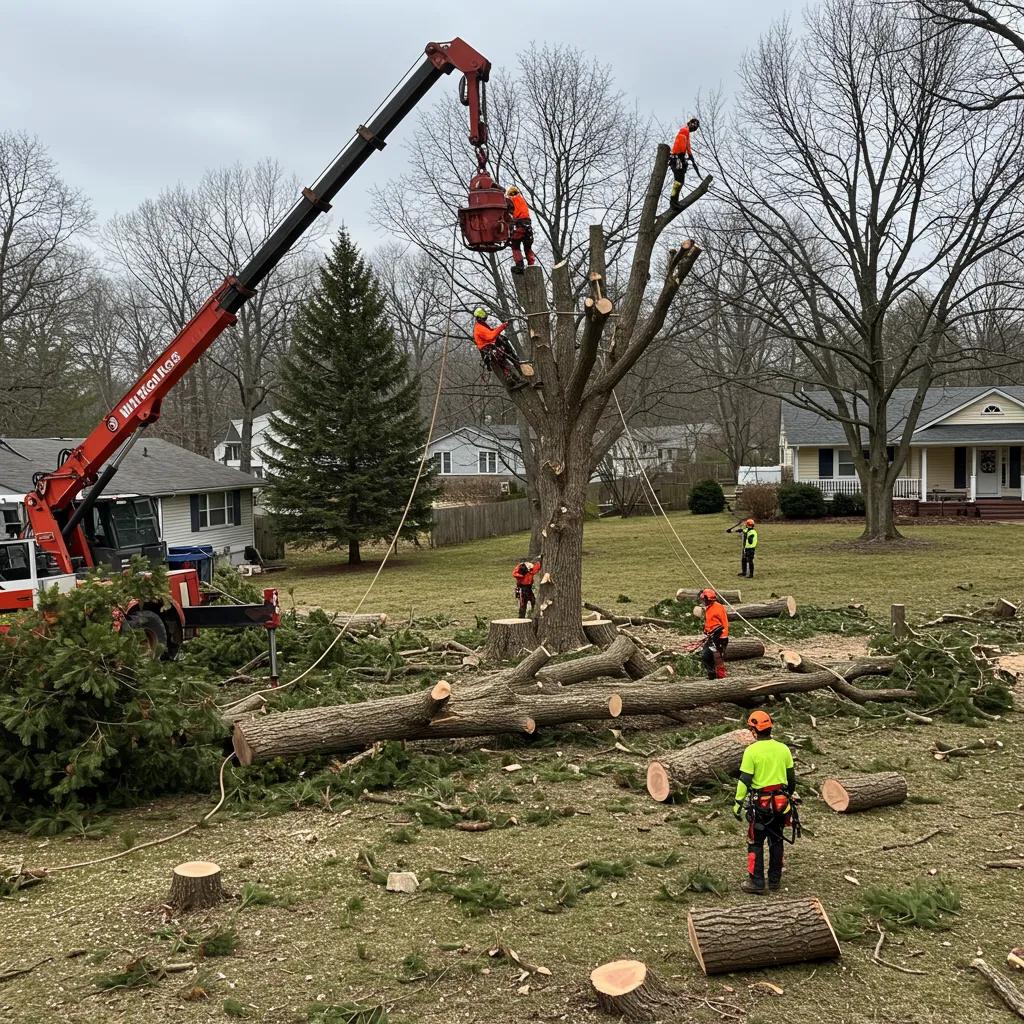
How to Compare Multiple Tree Removal Quotes in Jacksonville
Many homeowners need to remove a tree at some point, and a “tree removal quote” is the written estimate a contractor provides showing the scope of work, itemized costs, and responsibilities. Quotes vary because contractors assess tree size, species, access constraints, required equipment, and additional services differently, which affects labor, equipment, debris removal, and permit handling. Comparing multiple tree removal estimates helps homeowners find fair pricing, verify safety and insurance, and avoid surprises from vague scopes or hidden fees. This guide explains why soliciting several quotes matters, what factors influence local pricing in Jacksonville, how to compare estimates objectively, and when permits are likely required in Duval County. You will also find checklists, comparison tables you can copy for your own bids, and practical tips for choosing a contractor that balances price, safety, and credentials. Throughout, keywords like tree removal quotes, tree removal estimates, and tree removal cost Jacksonville are woven into clear, actionable steps to help you obtain reliable, affordable service.
Why Is It Important to Get Multiple Tree Removal Quotes?
Getting multiple tree removal quotes gives homeowners a clearer market view and reduces the risk of overpaying or hiring an inadequately equipped crew. A quote defines what is included—labor, equipment, debris removal, stump grinding, and permit handling—so comparing written estimates reveals scope differences and cost drivers. Multiple bids also let you verify licensing and insurance, compare timelines and cleanup commitments, and identify reasonable warranties or satisfaction guarantees. These comparisons reduce the chance of accepting a low-ball offer that omits crucial safety measures or post-job cleanup, which can lead to higher total costs later.
For example, one reputable local provider presents itemized, transparent quotes with clear permit and insurance verification to help homeowners make apples-to-apples comparisons. This model shows why asking for written, itemized estimates and verification documents is essential before deciding. By soliciting at least three quotes you improve negotiating position and ensure the selected contractor can safely manage the job and follow local permit rules. The next section breaks down the main cost drivers you’ll see reflected across competing estimates.
What Are the Benefits of Comparing Tree Removal Prices?

Comparing prices helps homeowners secure fair value while protecting property and liability interests. Written comparisons reveal whether an estimate is itemized for labor, equipment, disposal, and permits or presented as a vague flat rate that can hide add-ons. Reviewing multiple quotes uncovers differences in safety approach, such as rigging vs. crane use, which affect both price and risk. Checking insurance and licensing across bidders reduces exposure to liability for property damage or worker injury.
- Save money by finding competitive pricing and reasonable market rates.
- Reduce risk by confirming insurance, licensing, and safety procedures.
- Avoid surprises by selecting itemized quotes showing what’s included.
- Make an informed choice using timelines, cleanup responsibilities, and warranty terms.
Comparing these benefits leads naturally into understanding the specific cost factors that cause price variation, which the next section details.
How Does Comparing Quotes Help Ensure Affordable Tree Removal Services?
When you compare quotes, you learn to separate necessary costs from optional add-ons that inflate totals without adding value. Itemized bids show labor hours, equipment charges (e.g., crane, chipper), stump grinding, hauling, and permit fees—letting you decide which services you need. Comparing timelines and cleanup terms prevents paying extra for poor planning or slow crew mobilization. A clear comparison also reveals whether contractors include emergency premiums or after-hours surcharges that might apply for urgent work.
Consider two quotes: one includes stump grinding and hauling, the other prices removal only and tacks on separate fees for debris disposal. By comparing, you can negotiate services to match your budget and avoid unexpected bills. Understanding these pricing mechanics prepares you to request targeted clarifications during site visits, which the article addresses in the HowTo section.
What Should Homeowners Look for in Tree Removal Quotes?
Homeowners should treat each written quote as a checklist of protections and expectations rather than just a price number. Essential elements include itemized costs for labor, equipment, and disposal; clear statements about who handles permits and their fees; proof of licensing and insurance; a defined timeline; and cleanup and wood disposal specifics. Quotes should state safety measures for work near structures or utilities and note any guarantees or follow-up services included.
- Itemized labor, equipment, and debris removal costs.
- Proof of insurance and licensing and clear permit responsibilities.
- Timeline, cleanup scope, and any post-job guarantees.
A checklist of these items ensures each estimate can be compared on an equal basis, and the following section explains the specific factors that drive the numbers you see on those quotes.
What Factors Influence Tree Removal Cost Estimates in Your Area?
Tree removal cost estimates reflect a mix of physical, logistical, and administrative factors that contractors evaluate when pricing a job. Core drivers include tree size and trunk diameter, species and condition (healthy, diseased, or dead), site accessibility and proximity to structures or utilities, and any additional services like stump grinding, chipping, or hauling. Emergency or after-hours removals typically carry premiums due to rapid mobilization and safety risk. Understanding these elements helps you read each quote and assess whether the price aligns with the true difficulty of the job.
This EAV-style table breaks down common entities and their cost-influencing attributes so you can interpret estimates more precisely.
| Tree Attribute | Cost Driver | Typical Impact on Price |
|---|---|---|
| Size & Height | Crew hours and equipment needs | Larger trees increase labor and may require cranes or aerial rigs |
| Species & Condition | Weight, brittleness, safety risk | Hardwoods or diseased trees raise complexity and insurance costs |
| Accessibility | Rigging difficulty, property access | Close structures or tight yards increase time and rigging needs |
| Additional Services | Stump grinding, chipping, hauling | Adds separate line items and can raise total by hundreds to thousands |
| Emergency Removal | After-hours mobilization and hazard mitigation | Often billed at premium rates due to urgency and risk |
This table clarifies why similar-looking trees can yield different quotes and prepares you to ask targeted questions during estimate reviews. Next, the subsections explore each of these factors in practical terms so you can anticipate how they will appear in bids.
How Do Tree Size and Height Affect Removal Prices?
Tree size and height are primary determinants because they influence crew size, time, and equipment required to remove the tree safely. Taller or wider-canopy trees need more rigging, longer rope and harness systems, and sometimes heavier machinery such as cranes or aerial lifts, all of which drive labor and equipment charges. Larger trees also produce more debris and larger stumps, increasing hauling and stump grinding costs. Conversely, small yard trees can often be removed with a compact crew and basic equipment, lowering the total estimate.
When reviewing quotes, watch for explicit references to diameter-at-breast-height (DBH) or categorical size tiers that indicate why pricing is higher. Recognizing this relationship helps you accept reasonable higher quotes for truly large or complex removals.
Why Does Tree Species and Condition Matter for Cost?
Species matters because hardwoods like oak are heavier and fall less predictably than lighter softwoods, requiring more effort to deconstruct and remove. Diseased, decayed, or hollow trees present higher safety risks and can require careful sectional dismantling, which lengthens job time and increases insurance exposure. Palm species common to Jacksonville have unique removal techniques and disposal needs that may affect pricing differently from broadleaf trees.
Inspectors often note species and visible health issues on written quotes; if a tree is diseased, expect the contractor to include additional rigging, bracing, or disposal requirements that justify a higher price.
How Does Location and Accessibility Impact Tree Removal Costs?
Accessibility shapes the logistical complexity of a removal and therefore its cost. Trees near homes, garages, power lines, or over fences require precise rigging, spotters, and sometimes traffic control, which increases crew size and time on site. Narrow gates, steep slopes, or lack of direct equipment access can force more manual labor or specialized rigging, both of which add to labor cost. Open lots with easy equipment access typically result in lower estimates due to faster, safer removal.
When you compare quotes, pay attention to notes about access challenges and whether the contractor charges extra for equipment haul-in or manual lowering operations. Those line items explain higher totals beyond the base removal fee.
What Additional Services Affect the Total Tree Removal Estimate?
Additional services such as stump grinding, chipping, debris hauling, and root removal are commonly priced separately and can increase the final bill significantly. Stump grinding is often an add-on; depending on stump diameter and depth, this service can add several hundred dollars. Chipping and hauling, if not included, may appear as disposal fees, and full stump removal or root excavation will raise the scope considerably.
| Service | Typical Pricing Consideration | When to Request It |
|---|---|---|
| Stump Grinding | Charged by diameter | When you want a clear planting area or to prevent regrowth |
| Chipping & Hauling | Based on volume and distance | If contractor does not repurpose wood on-site |
| Root Removal | Labor-intensive excavation | For construction or regrading after removal |
Understanding these add-ons ensures quotes are comparable and prevents surprise charges after the crew finishes the tree removal.
How Do Emergency Tree Removal Services Differ in Pricing?
Emergency removals after storms or when a tree threatens structures involve faster response times, higher risk, and often nonstandard hours, so contractors typically charge premium rates. Rapid mobilization may require additional crew and equipment, and insurers may treat urgent removals differently for claims. Safety is paramount in emergencies, and contractors must often perform hazard mitigation before full removal, which is reflected in the estimate.
If you need emergency work, document damage with photos and request written emergency estimates where possible; comparing those expedited quotes still helps you find the best balance of speed, safety, and cost.
How Can You Effectively Compare Tree Removal Estimates?
To compare tree removal estimates effectively, follow a repeatable process: schedule in-person site visits, insist on written and itemized estimates, verify licensing and insurance, and compare contract terms such as payment schedules and cleanup responsibilities. A structured approach reduces ambiguity and gives you the evidence needed to pick the best-value contractor. Start by preparing a concise information packet for contractors—photos, access notes, and desired outcomes—so each bid is based on the same scope.
Below is a fillable comparison table homeowners can copy to evaluate multiple quotes side-by-side; it groups common line items you should expect to see.
| Component | Attribute | Quote A | Quote B | Quote C |
|---|---|---|---|---|
| Tree Removal | Labor & equipment | $ | $ | $ |
| Stump Grinding | Included/Separate | Yes/No | Yes/No | Yes/No |
| Debris Removal | Chipping/Hauling | $ | $ | $ |
| Permits | Responsibility | Contractor/Homeowner | Contractor/Homeowner | Contractor/Homeowner |
| Insurance Proof | Liability & Worker’s Comp | Provided/Not | Provided/Not | Provided/Not |
| Timeline | Start & Completion | Date/Days | Date/Days | Date/Days |
| Warranty | Satisfaction/Guarantee | Terms | Terms | Terms |
Use this template to request that each contractor fill in amounts and yes/no fields so you can compare items directly. After the table, verify that payment terms and change-order policies are clear.
Below is a short practical checklist modeled on typical quote items you can ask for; it reflects how reputable providers present information in their estimates.
- Ask for an itemized written estimate that separates labor, equipment, debris disposal, and permit fees.
- Request proof of liability insurance and worker’s compensation coverage before work begins.
- Confirm who is responsible for pulling permits and paying permit fees.
- Require a clear timeline, cleanup scope, and any warranty or satisfaction guarantee in writing.
What Are the Key Elements to Verify in Each Tree Removal Quote?
Key verification elements include itemized costs, proof of insurance and licensing, specified timeline, cleanup and disposal responsibilities, and clear payment terms. Itemization prevents misunderstandings about what is included and shows whether stump grinding or hauling is separate. Insurance proof protects you from liability if a worker is injured on your property or if property damage occurs during the job. A clear timeline and cleanup clause set expectations for start date, completion, and site restoration.
Verifying these elements before accepting a quote reduces the chance of disputes. Request copies of insurance certificates and contractor licenses, then ensure those documents match the business name on your written estimate.
How Do You Schedule and Prepare for a Tree Removal Site Visit?
When scheduling site visits, provide property access instructions, photos of the tree(s), and details about proximity to structures, power lines, or fences so each contractor can plan appropriately. During the visit, ask the estimator to walk you through rigging plans, debris management, and any permit needs they identify. Take notes or request a written scope summary to compare later. Photographs and a consistent set of answers from multiple contractors improve comparability of the resulting written quotes.
Preparing a simple one-page summary for contractors—address, gate codes (if needed), preferred timing, and any HOA or permit constraints—streamlines visits and helps produce consistent bids.
Why Is It Important to Check for ISA Certified Arborists and Licensing?
ISA certification indicates formal arboricultural training and expertise in tree biology, pruning standards, and safe removal techniques, which raises confidence in accurate risk assessments and recommended solutions. Licensing and insurance protect homeowners from liability and provide recourse if work is performed negligently. Contractors with certified arborists are more likely to recommend preservation or pruning when appropriate and to employ safer removal methods when required.
Verify certification claims by asking contractors to show ISA credentials and licensing, and request copies of insurance certificates to ensure coverage aligns with the job scope.
What Contract Terms Should You Review Before Accepting a Quote?
Review payment schedule, change-order procedures, cleanup obligations, who handles permits, warranty or satisfaction guarantees, and liability clauses. Red flags include large upfront cash demands, vague descriptions of scope, or ambiguous cleanup terms that leave debris removal uncertain. Favor contracts that tie payments to completion milestones and include clear definitions for what constitutes “completed” work.
Ensuring these contract elements are explicit prevents misunderstandings and provides a legal basis for resolving disputes if services fall short of the written agreement.
What Are the Local Tree Removal Permit Requirements in Jacksonville, FL?
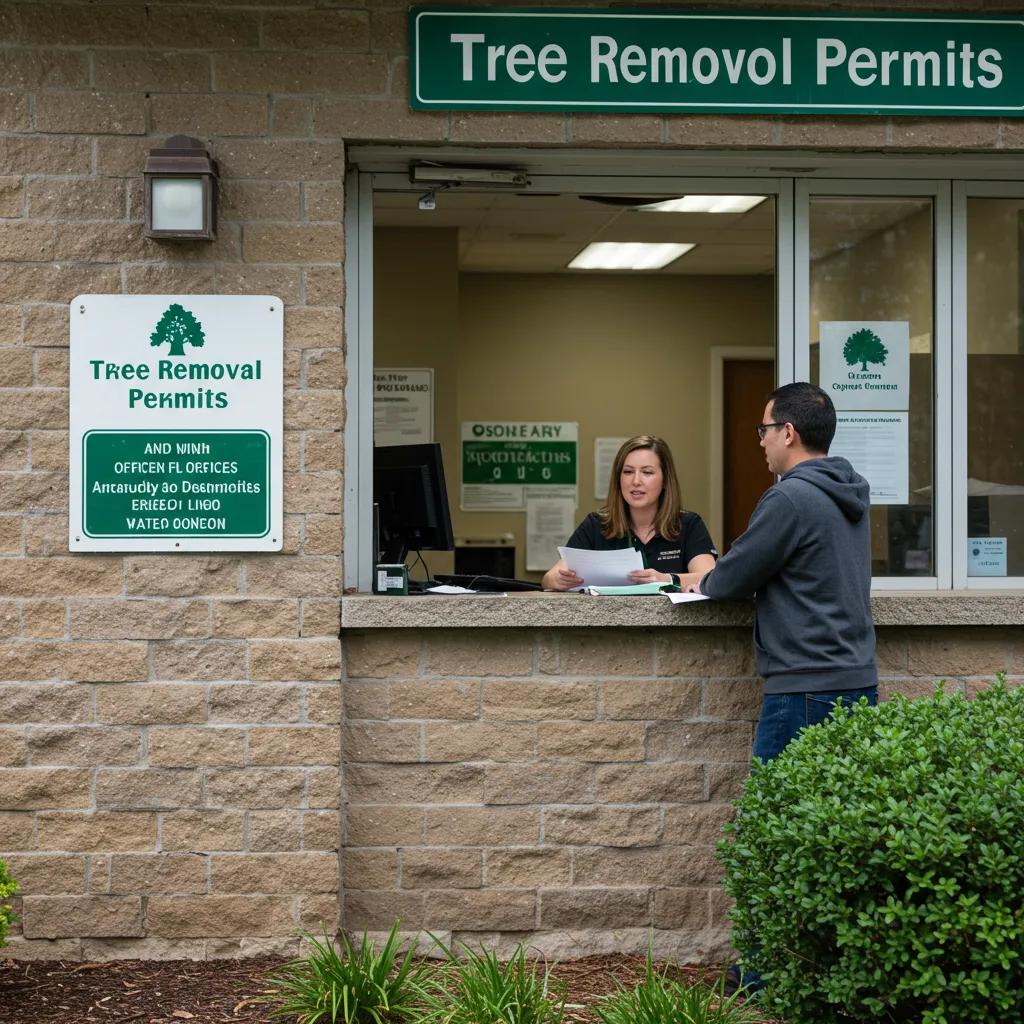
Permit requirements in Jacksonville and Duval County depend on tree size, species, and location, with protections often applied to trees in public rights-of-way, heritage or protected species, and certain conservation zones. Homeowners should check local planning and code enforcement resources to confirm thresholds that trigger permits, as requirements can change. Generally, removing large-diameter or protected trees, or trees within regulated buffer zones, may require an application and mitigation plan.
Before scheduling removal, verify whether your property falls under local ordinance protections and whether a permit or mitigation plan will be required; contractors that offer to handle permit processing can simplify this step, but you should confirm responsibility in writing.
When Is a Tree Removal Permit Required in Duval County?
Permits are commonly required when a tree exceeds a specified diameter, is classified as a protected or heritage specimen, or is located in a conservation or public right-of-way. Specific thresholds and definitions vary, so the general rule is to verify with the local planning office if the tree appears to meet protected criteria or if it is adjacent to regulated areas. When in doubt, apply for guidance to avoid fines or retrofit mitigation requirements.
If a permit is required, the application may include site plans, photographs, and sometimes a recommended mitigation or replacement plan; contractors can often advise whether a permit is necessary based on their local experience.
How Do You Apply for a Tree Removal Permit in Jacksonville?
Applying for a permit typically involves submitting an application to the city or county planning department with property information, tree location and species, and a reason for removal. Expect to provide photographs, a site plan, and potentially an arborist assessment if the tree is large or of a protected species. Processing times vary, so factor permit timelines into your project schedule and discuss permit responsibility with your chosen contractor before work begins.
Contractors that include permit handling in their quote can reduce homeowner administrative burden, but ensure this service and any associated fees are clearly stated in writing.
What Trees Are Protected Under Jacksonville’s Local Ordinances?
Local ordinances often protect trees designated by species, size, or location—such as heritage oaks or trees within conservation easements—requiring mitigation if removal is permitted. Common protected categories include specimen trees of significant size, trees within public right-of-way, and species listed by local code. Homeowners should confirm protected species lists and potential penalties or mitigation requirements with city resources, and ask contractors to note any protected-status concerns during site inspections.
If a protected tree is removed without proper permits, homeowners may be required to replace trees or pay mitigation fees, so verifying status before removal is important.
How to Choose the Best Tree Removal Company Based on Multiple Quotes?
Choosing the best company requires weighing price against safety credentials, experience, insurance coverage, and customer feedback. Don’t select solely on the lowest bid; instead evaluate whether the quote includes necessary safety measures, whether the crew has appropriate equipment, and whether the company provides clear insurance and permit handling. Reliable contractors provide itemized quotes, evidence of insurance, and references or recent project photos that illustrate similar work. Prioritize companies that balance transparent pricing with documented safety and quality practices.
Below are objective criteria and a simple weighting checklist you can use to score final candidates and make a reasoned choice.
- Safety & Insurance: Valid liability and worker protection documentation shown.
- Credentials: ISA certification and relevant licensing for arboricultural work.
- Price Transparency: Itemized quote with clear responsibilities.
- Reviews & References: Recent local projects with before/after documentation.
Using these weighted factors helps you decide beyond price alone and select a contractor who will complete the job safely and as agreed.
What Role Do Customer Reviews and Testimonials Play?
Customer reviews illuminate recent performance, punctuality, cleanup quality, and responsiveness—attributes that matter when evaluating contractors. Focus on recent, local reviews and look for project-specific details such as tree size, access challenges, and cleanup results. Photos and verified reviews provide stronger evidence than generic positive statements. Use reviews as one input among insurance, licensing, and direct estimate comparisons.
Cross-referencing reviews with items in the written quote helps confirm whether positive experiences are relevant to your job’s complexity.
How Does Experience Since 1987 and ISA Certification Influence Choice?
A company with long local experience often knows neighborhood permit rules, species-specific challenges, and typical access constraints—factors that reduce surprises during removal. ISA certification signals trained arborists who understand tree biology and industry safety standards, improving assessment accuracy and reducing unnecessary removals. When experience and certification are present together, you gain assurance that the company can handle complicated jobs safely and efficiently.
These attributes should be considered alongside clear, itemized pricing to ensure you’re not paying solely for reputation without receiving transparent scope and protections.
Why Is Transparent Pricing and Free Quotes Important?
Transparent pricing and free, no-obligation quotes allow homeowners to perform due diligence without incurring costs, making it easier to compare scope and exclude low-quality offers. Itemized, transparent quotes reduce the chance of post-job add-ons and support fair comparisons of services like stump grinding and hauling. Free estimates lower the barrier to soliciting multiple bids, which in turn encourages market competitiveness and better outcomes for homeowners.
Confirm that free quotes include written scopes and that any optional services are clearly listed as separate line items to avoid ambiguity.
How Do Safety Standards and Equipment Affect Service Quality?
Modern rigging, appropriate cranes or aerial lifts, and crews trained in personal protective equipment and rescue protocols reduce risk and speed project completion. Proper tools reduce time spent on site and minimize property disturbance. Reputable companies document safety procedures, use certified rigging gear, and maintain current insurance, all of which appear in thorough written estimates and safety plans.
Assess whether the contractor’s proposed methods match job complexity; choosing under-equipped providers risks damage and delays despite lower initial quotes.
What Are Common Questions About Getting Multiple Tree Removal Quotes?
Homeowners frequently ask about cost ranges, permit needs, insurance coverage, and how to obtain reliable estimates. Short, targeted answers help you make quick decisions and know when to seek further detail from contractors or local authorities. The table below aligns typical questions with concise answers and local price ranges to guide quick comparisons.
| Question | Typical Answer | Typical Price Range (Jacksonville) |
|---|---|---|
| How much does tree removal cost? | Varies by size, access, species, and add-ons; small trees lower, large/complex trees higher | $150 – $3,000+ |
| What factors affect quotes? | Size, species, access, additional services, emergency timing | N/A |
| Is emergency removal covered by insurance? | Depends on policy and cause; document damage and provide contractor estimates for claims | Varies by policy |
| How to get accurate estimates? | Insist on site visit, itemized written quotes, and proof of credentials | N/A |
| Do I need a permit? | Often yes for large/protected trees or trees in regulated zones; check local code | Possible permit fees |
How Much Does Tree Removal Cost in Jacksonville, FL?
Tree removal costs in Jacksonville reflect the same drivers discussed earlier—size, species, access, and add-on services—so ranges vary widely. Small residential trees may be at the lower end of local ranges, while large, hazardous, or emergency removals can reach higher totals. Comparing itemized estimates helps identify whether higher quotes include necessary safety measures or useful add-ons like stump grinding and hauling.
When evaluating cost, align the price with the provided scope, safety plan, and included services rather than choosing solely on the lowest number.
What Factors Affect Tree Removal Quotes?
The principal factors are tree size and height, species and condition, location and accessibility, additional services such as stump grinding and debris removal, and emergency or after-hours work. These elements determine crew size, required equipment, and time on site, which together form the bulk of a contractor’s estimate. Understanding these common drivers helps you interpret why quotes differ and where negotiation or scope adjustments are appropriate.
Refer back to the earlier cost-driver table for a quick, structured view of these influences.
Is Emergency Tree Removal Covered by Insurance?
Insurance coverage depends on policy language and the cause of damage—storm-related damage is commonly covered under hazard sections, while disease-related removal may not be. Homeowners should photograph damage, contact their insurer promptly, and obtain written estimates from reputable contractors to support claims. Contractors can often provide documentation to insurers, but homeowners must verify coverage terms with their carrier.
Documenting the scene and getting multiple written emergency estimates strengthens claim substantiation and helps insurers assess reasonable costs.
How Do I Get Accurate and Reliable Tree Removal Estimates?
Accurate estimates come from in-person inspections by experienced evaluators who document tree condition, access, proximity to structures, and required equipment. Insist on itemized written estimates, proof of insurance and licensing, and clear definitions of included services and exclusions. Getting at least three comparable quotes and using a structured comparison table reduces ambiguity and leads to better-informed decisions.
Reliable estimates often correlate with certified arborist involvement, explicit safety plans, and clear contractual terms.
Do I Need a Permit for Tree Removal in Jacksonville?
Often yes, particularly for large-diameter trees, protected species, or trees in conservation or public right-of-way areas. Permit requirements vary, so check local code or confirm with the contractor whether a permit is necessary. If a permit is required, ensure responsibility for application and payment is specified in your written estimate to avoid later disputes.
Obtaining this clarity before work begins avoids potential fines or mandated mitigation after the fact.
Ready to Get Your Free Tree Removal Quote? How to Contact Local Experts
When you’re ready to request quotes, prepare a short information packet: property address, tree location photos, estimated tree height/diameter, access notes, and any HOA or permit constraints. Call or message contractors and ask for a free, no-obligation written estimate, specify you want itemized costs, and request proof of insurance and ISA certification if applicable. Expect contractors to schedule a site visit for complex jobs; simpler removals may be estimated from photos but validate final price after an on-site assessment.
For homeowners in Jacksonville seeking a local option, Tree Service Near Me (operating as Jacksonville Tree Service) offers free quotes, transparent pricing, and ISA-certified arborists. The company is fully licensed and insured, provides 24/7 emergency tree removal, and emphasizes a 100 percent satisfaction guarantee—attributes you can weigh alongside other bids when deciding. To request a free, no-obligation estimate, provide clear photos, your property address, and details about access; you can contact Tree Service Near Me by calling 904-514-2847 for prompt scheduling and quote preparation.
How to Request a Free, No-Obligation Tree Removal Estimate?
Requesting a free estimate is simplest when you supply photos, a short description of the tree and its location, and your preferred timeline. Ask for a written, itemized estimate that includes labor, equipment, debris removal, permit responsibilities, and any warranties. Confirm response time expectations and whether the quote requires a site visit for final pricing. Document all quotes for side-by-side comparison using the earlier table.
Expect a professional provider to ask clarifying questions and to confirm permit handling if required by local rules.
What Information Should You Provide for an Accurate Quote?
Provide clear photos of the full tree from multiple angles, including the trunk base, canopy, and surroundings, and note proximity to structures, fences, driveways, and power lines. Estimate tree height or trunk diameter if known, describe access constraints (narrow gates, slopes), and mention any visible disease or damage. Include HOA or permit details you know, and state your desired outcome (complete removal, removal plus stump grinding, or pruning).
A short template you can use: property address, tree location description, photos attached, approximate height/diameter, access notes, desired services, preferred start date.
Why Choose Tree Service Near Me for Your Jacksonville Tree Removal Needs?
Tree Service Near Me (operating as Jacksonville Tree Service) provides free quotes and emphasizes transparent, itemized pricing, which helps homeowners compare estimates objectively. With ISA-certified arborists on staff and full licensing and insurance, the company signals adherence to professional safety and assessment standards. Their 24/7 emergency tree removal and satisfaction guarantee address urgent needs and homeowner confidence, making them a practical example of the credentials and service scope you should prioritize when selecting any contractor.
If you value local expertise combined with clear, documented pricing and credential verification, request a free estimate and review how their written quote compares to other bids you receive.