
Jacksonville Tree Trimming and Pruning Secrets for Healthier Trees: Expert Tips for Homeowners
A thriving yard starts with properly maintained trees. Homeowners often face sparse canopies, hazardous limbs, and poor growth when pruning is done incorrectly. This guide to tree trimming and pruning Jacksonville secrets uncovers essential techniques, timing strategies, disease prevention tips, professional advantages, and species-specific care. By applying these expert recommendations from Jacksonville Tree Service, readers will promote safety, vitality, and curb appeal across oak, palm, and fruit trees.
What Are the Essential Tree Trimming and Pruning Techniques for Healthier Trees in Jacksonville?
Tree trimming removes overgrown or dead branches to boost light penetration and reduce wind resistance, while pruning shapes structure and stimulates growth by cutting selected limbs. These methods improve canopy health, reduce storm damage risk, and increase fruit production. Understanding the difference and proper execution is the foundation for durable, resilient trees in Florida’s climate.
How Does Tree Pruning Differ from Tree Trimming?
Pruning focuses on removing specific live branches to improve health and structure, whereas trimming generally cuts back overgrowth for clearance or aesthetic shaping. Precision pruning uses selective cuts (thinning, heading) to direct sap flow and encourage lateral growth. This targeted approach strengthens trunk integrity and prevents disease.
Tree Pruning Techniques
Tree pruning involves removing specific live branches to improve health and structure, while trimming generally cuts back overgrowth for clearance or aesthetic shaping. Precision pruning uses selective cuts to direct sap flow and encourage lateral growth, strengthening trunk integrity and preventing disease.
This research provides a foundational understanding of the different pruning techniques discussed in the article.
What Are the Benefits of Regular Tree Pruning for Tree Health and Growth?
Regular pruning enhances air circulation, reduces fungal infections, and directs energy to healthy branches. Consistent structural pruning prevents weak crotches and encourages a balanced canopy. As a result, root systems develop more evenly, boosting drought tolerance and supporting vigorous new shoots in spring.
Benefits of Regular Tree Pruning
Regular pruning enhances air circulation, reduces fungal infections, and directs energy to healthy branches. Consistent structural pruning prevents weak crotches and encourages a balanced canopy, which results in more evenly developed root systems, boosting drought tolerance and supporting vigorous new shoots in spring.
This research supports the claims made in the article about the benefits of regular tree pruning for tree health and growth.
Which Common Tree Trimming Mistakes Should Jacksonville Homeowners Avoid?
Homeowners often over-thin canopies, leaving trees vulnerable to sunscald and bark damage. Topping—removing large branch sections at trunk—creates decay pockets and weak regrowth. Cutting flush to the trunk without preserving the branch collar inhibits wound healing. Proper cuts just outside the collar maintain natural defenses and support rapid recovery.
When Is the Best Time to Trim and Prune Trees in Jacksonville, FL?
Timing pruning to tree species and seasonal growth cycles reduces stress and disease risk. In Northeast Florida, late winter to early spring is ideal for most deciduous trees because cooler, dry weather limits pest activity and primes limbs for spring growth. Palm trees thrive when trimmed in late spring, after the last frost threat.
| Tree Type | Best Pruning Season | Key Benefit |
|---|---|---|
| Deciduous Oaks | Late January – March | Limits disease spread and boosts spring flush |
| Palms | April – June | Removes dead fronds without stalling growth |
| All Species | Post-hurricane (Nov–Dec) | Clears storm damage and prevents limb failure |
This schedule aligns pruning with Florida’s growth patterns and storm cycles, protecting trees and home landscapes year-round.
What Are the Optimal Pruning Seasons for Deciduous Trees in Northeast Florida?
Deciduous trees should be pruned in late winter (January–March) when sap flow is minimal. This reduces bleeding from cuts, lowers fungal infection risk, and aids vigorous new branching when warm weather returns.
Optimal Pruning Seasons
Timing pruning to tree species and seasonal growth cycles reduces stress and disease risk. In Northeast Florida, late winter to early spring is ideal for most deciduous trees because cooler, dry weather limits pest activity and primes limbs for spring growth.
This source provides specific information on the optimal pruning seasons for different tree types, which is directly relevant to the article’s discussion of timing.
When Should Palm Trees Be Trimmed in Jacksonville?
Palms benefit from a spring trim after growth resumes—removing only brown or hazardous fronds. Avoid over-pruning (“hurricane cuts”) that strips vital green fronds and weakens the palm’s ability to photosynthesize.
How Does Pruning Before and After Hurricane Season Protect Your Trees?
Pruning ahead of hurricane season removes limbs that could become projectiles, decreases wind leverage, and allows crews to assess structural vulnerabilities. Post-storm trimming eliminates split or damaged branches, preventing decay and secondary pest infestations.
How Can Jacksonville Homeowners Identify and Prevent Common Tree Diseases and Pests?
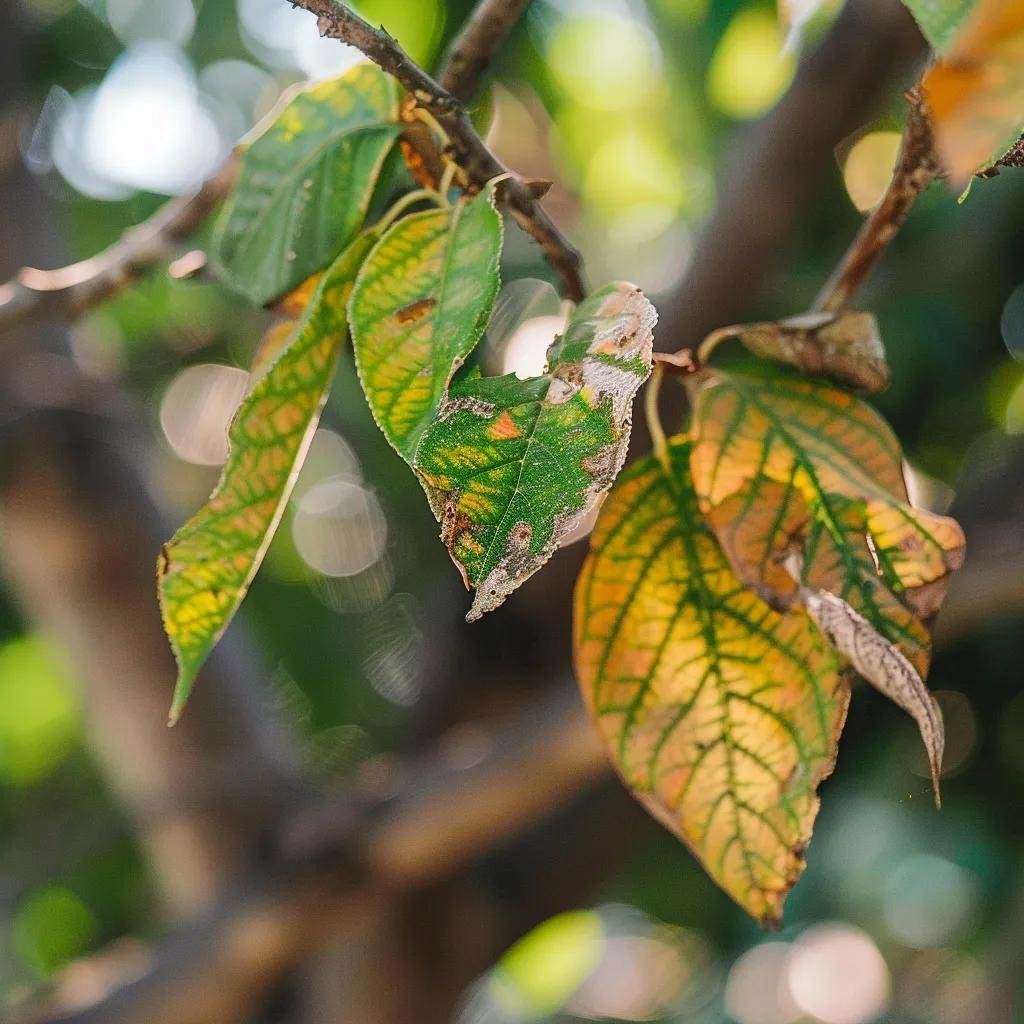
Recognizing early signs of disease and infestation lets homeowners intervene before irreversible damage. Oak wilt, pine pitch canker, and lethal bronzing in palms each present unique symptoms requiring tailored control and soil care to maintain ecosystem balance.
- Inspect leaves for discoloration, wilting, or fungal fruiting bodies.
- Watch trunk bases for cankers or oozing resins indicating infection.
- Monitor unusual frond drop in palms as a sign of lethal bronzing.
Homeowners should implement integrated pest management: combine cultural practices—mulching, proper irrigation—with targeted treatments. Maintaining balanced soil pH and organic matter supports beneficial microorganisms that outcompete pathogens.
Why Should You Hire a Certified Arborist for Tree Trimming and Pruning in Jacksonville?
Certified arborists bring advanced training, safety protocols, and specialized equipment that DIY approaches lack. Their expertise ensures precise cuts, risk-assessed plans, and compliance with local regulations, all while maximizing tree health and property value.
- Expertise and Services: Arborists assess tree structure, identify hidden decay, and recommend pruning techniques tailored to species and age.
- Safety and Health Assurance: Professional crews use harnesses, aerial lifts, and chainsaw safeguards to protect people, property, and tree tissue during cutting operations.
- Cost Transparency and Free Estimates: Trimming costs depend on tree height, species, and accessibility. For instant comparisons, homeowners can request a free quote at free-tree-quotes.com. Seasonal specials are available via vbtreeremoval.com/specials to optimize timing and budget.
Engaging a certified professional reduces liability, avoids common mistakes, and fosters long-term tree resilience.
How Do Specific Tree Types in Jacksonville Benefit from Tailored Trimming and Pruning?
Different species respond to pruning in unique ways. Tailored care ensures each tree’s anatomy and growth pattern are respected, enhancing health and aesthetics.
- Oak Trees: Perform thinning cuts to maintain scaffold branch spacing and reduce wind resistance.
- Palm Trees: Remove only dead fronds and seed pods to prevent nutrient loss while avoiding “boot jack” wounds.
- Fruit Trees: Prune for open centers to increase light penetration, improve air flow, and boost fruit yield.
These targeted methods support longevity and visual harmony in any Jacksonville landscape.
Healthy, well-maintained trees provide shade, enhance property value, and stand firm against storms. By mastering these trimming and pruning secrets, Jacksonville homeowners can enjoy safer, more attractive, and resilient landscapes year-round.