
Professional Insights on Storm Damage Tree Insurance Claims
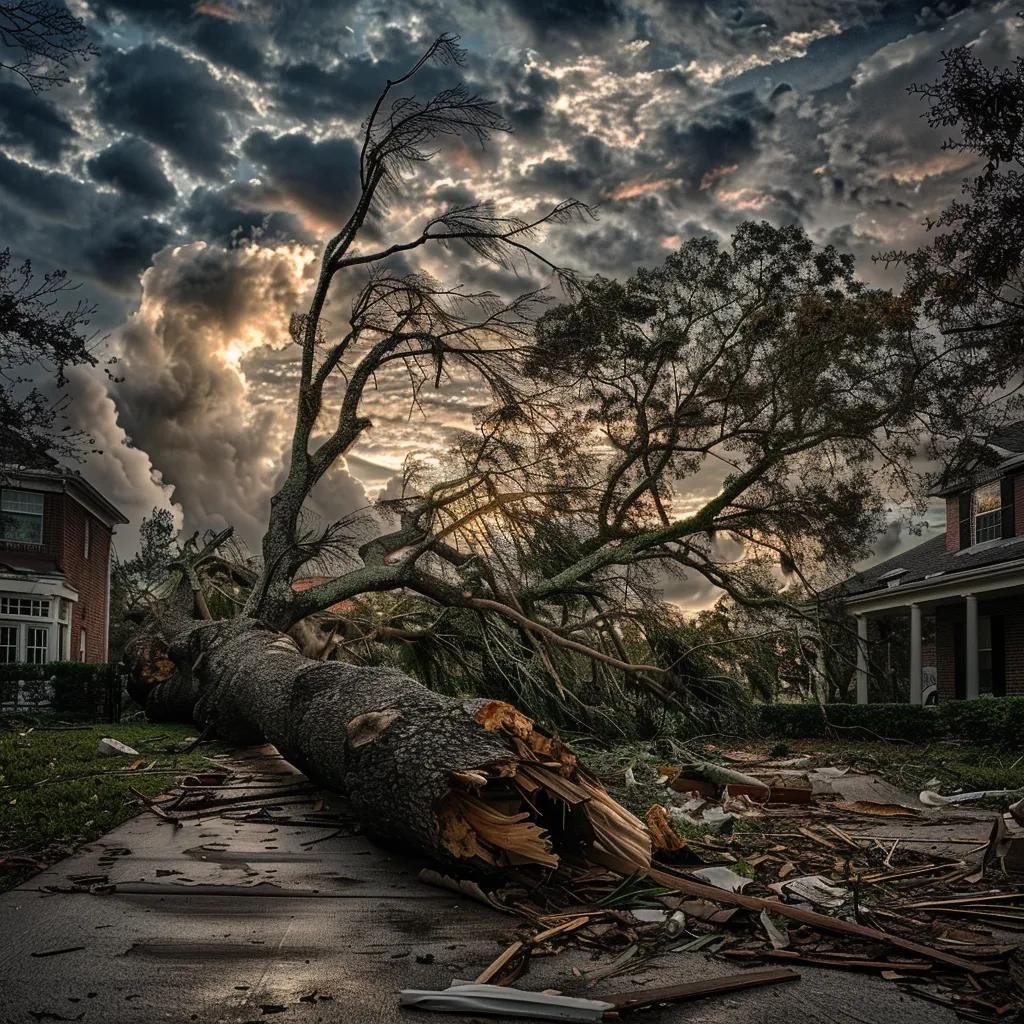
Insurance Claims for Storm Damaged Trees in Jacksonville: How Homeowners Can File and Maximize Coverage
Storm-fell trees can threaten roofs, power lines and safety in Jacksonville neighborhoods after hurricanes and tropical squalls. This guide explains how homeowners insurance addresses storm damage to trees, step-by-step claim filing, emergency removal support, local permit rules and cost expectations. Readers will learn about covered perils, deductibles and exclusions; how to document and report damage; the adjuster’s role; obtaining certified arborist estimates; permit exemptions under Florida Statute 163.045; and tactics to boost reimbursement. Armed with these insights and the expertise of orlando-tree-removal.com’s certified arborists, Jacksonville residents can secure prompt cleanup and maximize their policy benefits.
Filing Insurance Claims for Storm-Damaged Trees in Jacksonville
Homeowners insurance typically protects property against tree damage caused by sudden weather events. Understanding covered perils, deductible thresholds and policy limits helps homeowners claim the correct reimbursement.
Which Storm Perils Are Covered Under Typical Homeowners Policies?
Homeowners insurance covers tree loss and damage when triggered by:
- Wind – Hurricanes, tropical storms and gusts that uproot or break limbs.
- Lightning – Strikes that split trunks or ignite fires in trees.
- Hail – Hailstones heavy enough to crack limbs or bark.
Coverage for these perils supports both property repair and debris removal, ensuring storm-related tree falls receive compensation.
Insurance Coverage for Storm Damage
Homeowners insurance typically covers tree damage caused by weather events like wind, lightning, and hail. This coverage extends to both property repair and debris removal, ensuring compensation for storm-related tree falls.
Insurance Information Institute
This citation supports the article’s explanation of what homeowners insurance covers in the event of storm damage to trees.
Next, understanding deductible and removal limits clarifies out-of-pocket costs.
What Are Deductibles and Coverage Limits for Tree Damage Claims?
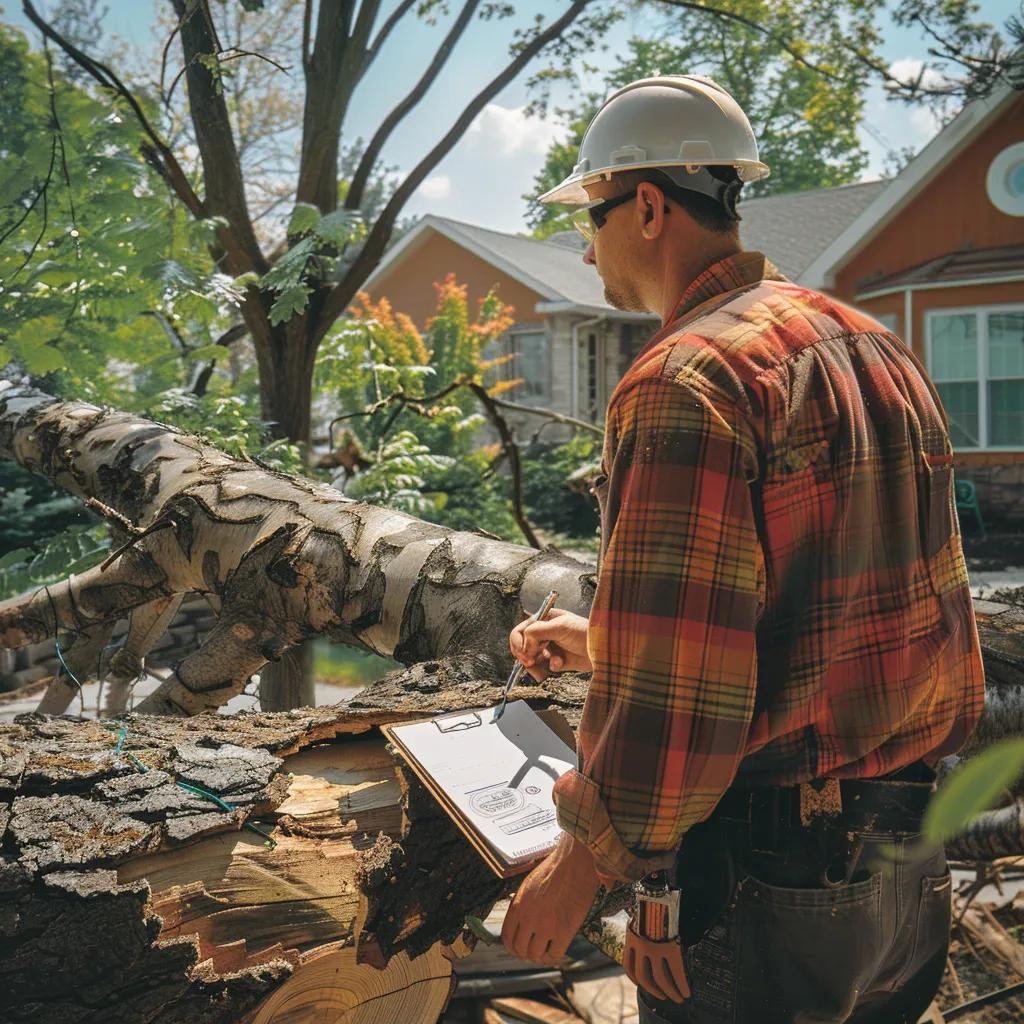
Deductibles and debris removal caps vary by insurer and policy tier. Policies often include a per-incident deductible plus a fixed debris-removal allowance.
| Entity | Attribute | Value |
|---|---|---|
| Policy Deductible | Amount per Claim | $500–$2,000 |
| Debris Removal Coverage | Maximum Reimbursement | $500–$1,000 when no structure damage |
| Structure Damage Removal | Debris Limit | Up to 100% of repair cost |
These figures guide homeowners in estimating their share of removal costs versus insurance payouts. Knowing policy specifics prepares for accurate claim settlement.
When Is Tree Damage Not Covered by Insurance?
Insurance excludes tree damage resulting from:
- Negligence – Failure to remove dead or diseased trees before a storm.
- Preventative Removal – Routine trimming or pre-storm cutting not prompted by damage.
- Non-Covered Events – Flood, earthquake or wear-and-tear causes.
Exclusions mean proactive maintenance and timely risk assessments by certified arborists can prevent denied claims and improve safety.
How Do You File an Insurance Claim for Storm Damaged Trees in Jacksonville?
Filing a tree-damage claim involves prompt safety measures, documentation, insurer contact and professional estimates. A clear workflow accelerates processing and reimbursement.
What Immediate Steps Should Homeowners Take After a Tree Falls?
Homeowners should:
- Ensure safety by avoiding contact with downed limbs near power lines.
- Photograph and video the fallen tree, affected structures and yard damage.
- Apply temporary measures (tarps, barriers) to prevent further harm.
- Contact a certified arborist for risk assessment and initial report.
Documenting damage comprehensively strengthens the upcoming insurance claim and guides emergency response.
How to Contact Your Insurance Provider and Report the Damage?
Homeowners initiate a claim by:
- Calling the insurer’s emergency hotline and providing policy number and date of incident.
- Submitting photos, videos and the arborist’s preliminary report via the insurer’s portal or email.
- Requesting a claim number and adjuster contact details to track progress.
Effective communication at claim opening reduces processing delays and clarifies coverage scope.
What Is the Role of the Insurance Adjuster in Tree Damage Claims?
An insurance adjuster inspects the property, verifies covered perils and measures repair or removal costs. Homeowners should:
- Be present during the inspection to point out hidden damage.
- Provide all documentation, including arborist reports and removal estimates.
- Ask for written clarification on coverage limits and exclusions.
Collaborating with the adjuster ensures accurate damage valuation and prevents undervaluation.
How to Obtain and Submit Professional Tree Removal Estimates?
Certified arborists deliver detailed cost breakdowns required by insurers. Homeowners should:
- Secure at least two written estimates from licensed tree service companies.
- Confirm that each estimate itemizes labor, equipment, disposal and permit fees.
- Submit estimates alongside the adjuster’s report to substantiate the claim.
Detailed professional quotes empower homeowners to negotiate fair reimbursements.
What Emergency Tree Removal Services Are Available in Jacksonville and How Do They Support Insurance Claims?
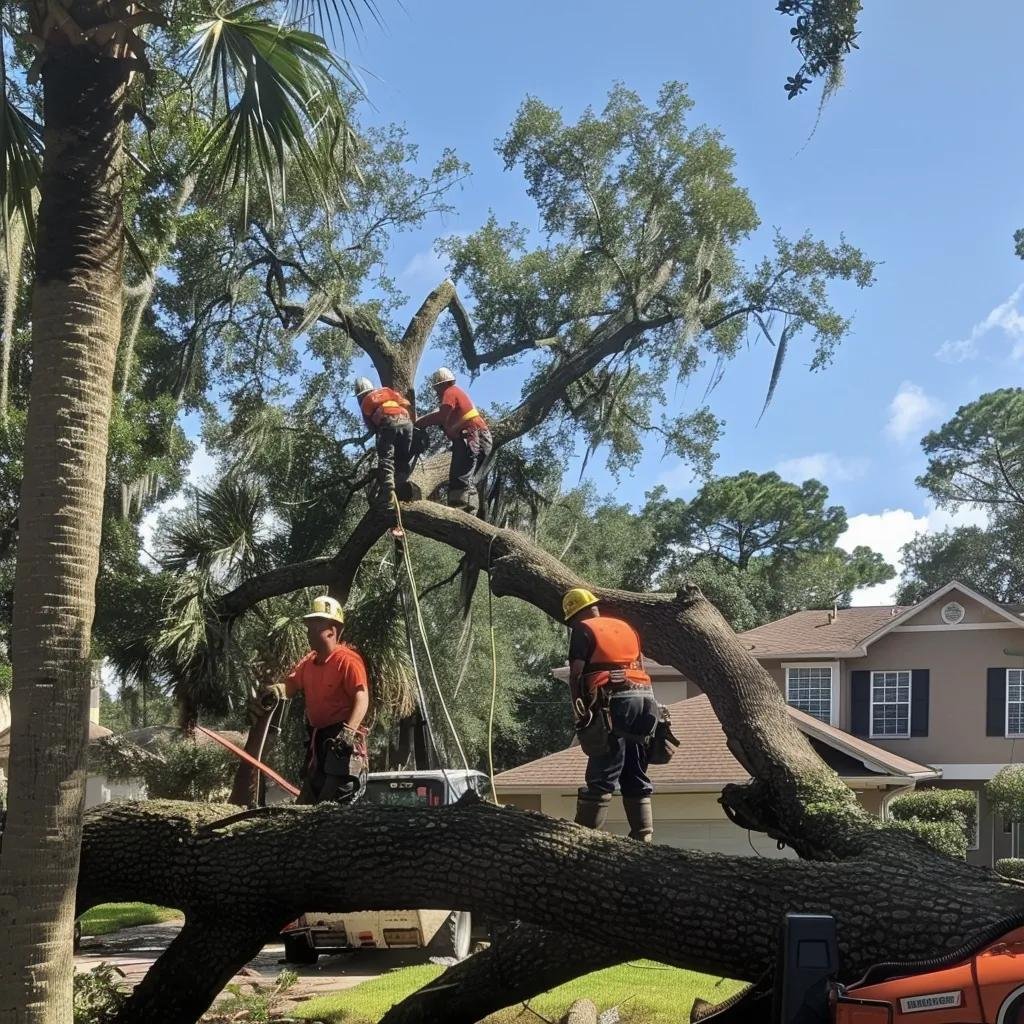
Local tree services offer rapid response, safety protocols and insurance assistance that expedite storm-damage recovery.
Why Choose a Local Jacksonville Tree Service for Storm Damage Cleanup?
Jacksonville tree specialists provide:
- Rapid Deployment within hours of notification to secure hazards.
- Local Expertise in regional storm patterns and tree species vulnerabilities.
- Certified Arborists who assess structural risks and prepare permit-exempt documentation.
These advantages minimize further property damage and support claim accuracy.
How Do Certified Arborists Assist with Insurance Documentation and Permits?
Certified arborists inspect damage, certify tree health status and complete hazard reports that:
- Fulfill permit exemption criteria under Florida’s Private Property Rights Law.
- Offer authoritative evidence of covered perils and exclusion avoidance.
- Support permit applications when removal is mandatory by local ordinance.
Arborist documentation strengthens both insurance claims and regulatory compliance.
Can Tree Service Companies Help with Direct Insurance Billing and Claim Support?
Many Jacksonville tree companies coordinate directly with insurers by:
- Submitting invoices and estimates through the insurer’s billing portal.
- Handling debris removal paperwork and permit filings on the homeowner’s behalf.
- Following up with adjusters until payment is approved.
This direct billing service reduces homeowner administrative burden and speeds payouts. For more on professional emergency intervention, see emergency tree removal risks and solutions in Jacksonville.
What Are Jacksonville’s Tree Removal Permits and Regulations for Storm Damaged Trees?
Jacksonville enforces ordinances that protect certain trees and require permits for removal under specific conditions.
When Is a Permit Required for Tree Removal in Jacksonville?
A permit is needed when:
- Removing trees on public right-of-way or city easements.
- Cutting protected species or trees over a defined diameter at breast height (DBH).
- Clearing trees after non-storm events without certified arborist certification.
Permit triggers vary by location, so consulting local code ensures compliance.
How Does Florida Statute 163.045 Affect Hazardous Tree Removal Permits?
Florida Statute 163.045 allows hazardous private-property tree removal without a city permit when:
- A certified arborist issues a written hazard certification.
- The tree poses imminent risk to life, structures or utilities.
- The homeowner retains the arborist report for city inspection if requested.
This statute expedites hazard mitigation and aligns with insurance documentation.
Florida Statute 163.045 and Hazardous Tree Removal
Florida Statute 163.045 allows for the removal of hazardous trees on private property without a city permit if a certified arborist provides written hazard certification, the tree poses an imminent risk, and the arborist report is retained for potential city inspection.
Florida Statute 163.045
This citation directly supports the article’s discussion of how Florida Statute 163.045 affects hazardous tree removal permits.
What Are the Penalties for Non-Compliance with Jacksonville Tree Ordinances?
Violating removal rules can incur:
- Fines up to $1,000 per protected tree removed.
- Requirement to replant equivalent trees at homeowner expense.
- Stop-work orders delaying cleanup and insurance settlement.
Adhering to regulations avoids costly enforcement actions and claim disputes.
How Much Does Storm Damaged Tree Removal Cost in Jacksonville and What Does Insurance Cover?
Removal costs vary by tree size, access and equipment needs, while insurance reimbursement depends on policy limits.
What Factors Affect the Cost of Tree Removal After Storm Damage?
Cost drivers include:
- Tree Size and Height – Larger trees require more labor and specialized rigging.
- Location and Accessibility – Proximity to structures or power lines increases complexity.
- Condition of the Tree – Cracked or uprooted trunks demand additional safety measures.
Factors Affecting Tree Removal Costs
The cost of tree removal after storm damage is influenced by factors such as tree size, location, and condition. Larger trees, proximity to structures or power lines, and the tree’s health all contribute to the overall expense.
International Society of Arboriculture
This citation provides additional context to the factors that influence the cost of tree removal after storm damage.
Assessing these factors with a certified arborist yields accurate cost projections.
What Are the Average Tree Removal Costs in Jacksonville?
Local pricing for storm-damaged tree removal typically falls within:
| Entity | Attribute | Value |
|---|---|---|
| Small Tree (under 30′) | Removal Cost | $300–$600 |
| Medium Tree (30′–60′) | Removal Cost | $600–$1,200 |
| Large Tree (over 60′) | Removal Cost | $1,200–$2,500 |
Understanding these ranges helps match estimates to debris removal coverage and deductible obligations.
How Can Homeowners Maximize Insurance Reimbursement for Tree Removal?
Homeowners can enhance their payout by:
- Submitting detailed, arborist-backed estimates that separate labor, equipment and disposal costs.
- Documenting all damage with time-stamped photos and videos before cleanup.
- Negotiating with adjusters using multiple quotes and policy limit knowledge.
- Retaining receipts and invoices to claim actual expenses beyond debris coverage caps.
Proactive documentation and clear cost breakdowns strengthen claim outcomes and minimize out-of-pocket costs.
Jacksonville homeowners who follow these guidelines can navigate storm-damaged tree claims with confidence and secure the full benefits of their insurance coverage. By partnering with local, certified arborists and licensed tree service experts, residents ensure both regulatory compliance and optimally funded cleanup.
When storm damage strikes, knowing how your homeowners insurance policy applies to tree damage is critical. At Volusia Bobcat & Tree Service, we help homeowners navigate the process by working directly with your insurance company to ensure your insurance claim is handled quickly and fairly. According to the Insurance Information Institute, most standard homeowners insurance will cover tree removal when a tree falls on your house or blocks access to your property. Our team is fully insured and experienced in handling homeowners insurance cover, windstorm cleanup, and tree damage insurance situations, giving you peace of mind that your home insurance cover is maximized when you need it most.