
Article:
Jacksonville Storm Damage Cleanup: Essential Steps to Recovery for Homeowners
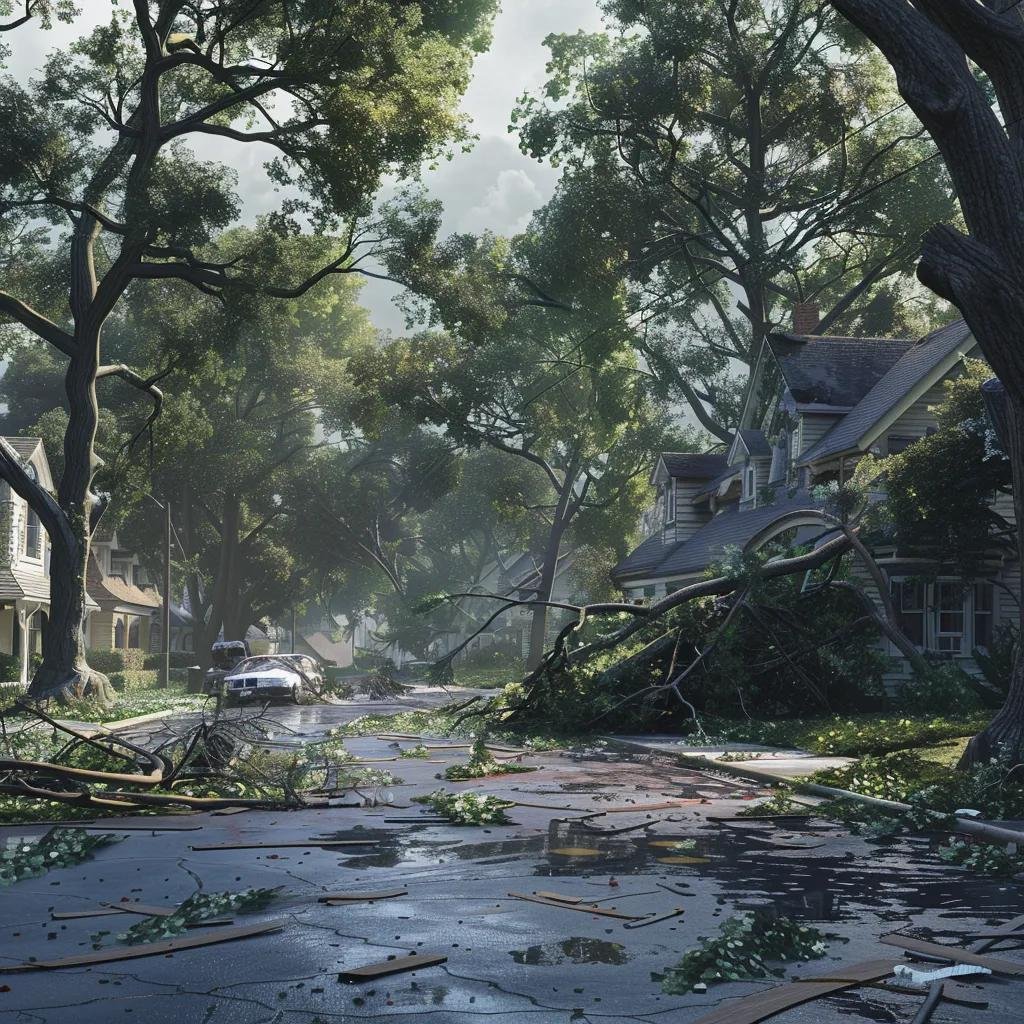
Every hurricane season, Jacksonville homeowners in areas like Arlington, Avondale, San Marco, and Southside confront wind-driven debris, floodwater intrusion, roof breaches and fallen trees that threaten structural integrity and indoor safety. This guide delivers a clear roadmap for assessing damage, securing your property, restoring affected areas and navigating insurance claims with confidence. It covers four key themes:
- Recognizing local storm damage types in Clay County and surrounding areas
- Taking immediate safety and documentation steps
- Executing a structured cleanup and restoration process
- Working insurance and choosing expert responders
Understanding the most common types of storm damage in Jacksonville is vital to protect your home and safety.
What Are the Most Common Types of Storm Damage in Jacksonville?
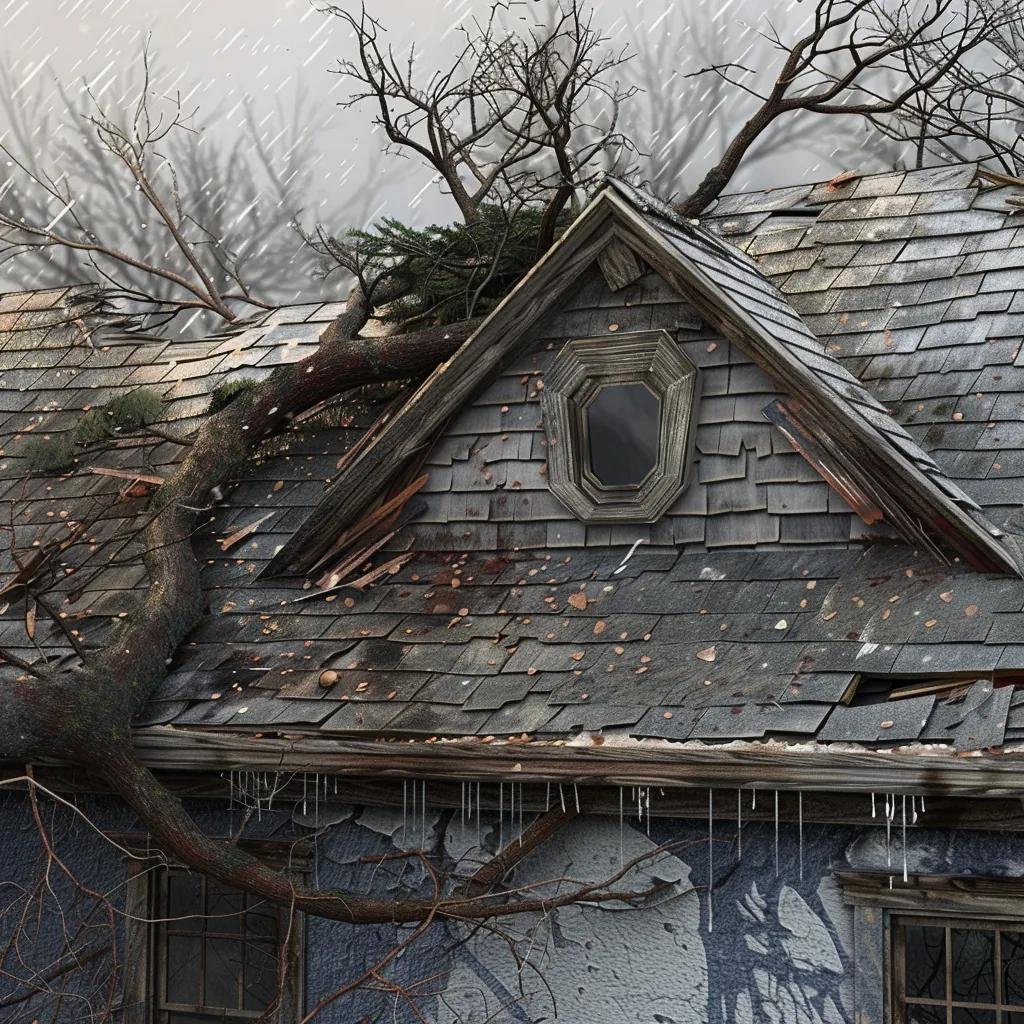
Storm damage in northeast Florida, including Clay County, typically manifests as water intrusion, wind-borne debris, roof compromise and fallen vegetation. Severe events like hurricanes, tropical storms and nor’easters drive these effects by generating intense rain and gusts that overwhelm building envelopes and landscape buffers. Recognizing these categories empowers homeowners to prioritize inspections and mitigation.
Common Storm Damage Types
Storms in Jacksonville often cause water intrusion, wind-borne debris, roof damage, and fallen trees, which can threaten the structural integrity of homes [3]. Recognizing these types of damage is crucial for homeowners to prioritize inspections and mitigation efforts.
This source highlights the types of damage that can occur to commercial properties in Jacksonville, which is relevant to the article’s discussion of common storm damage.
How Do Hurricanes, Tropical Storms, and Nor’easters Affect Jacksonville Homes?
Hurricanes unleash sustained winds above 74 mph that can tear off shingles and snapped trees, while tropical storms bring heavy rainfall that overwhelms drains and creates flooding. Nor’easters, though less frequent, deliver coastal storm surge and prolonged wind exposure that undermine foundations and saturate siding. Each event type demands a tailored inspection for wind-lifted materials, water pooling and structural shifts, setting the stage for targeted cleanup.
What Are the Signs of Water, Wind, Roof, and Tree Damage After a Storm?
Before beginning cleanup, homeowners should scan for visible and concealed damage indicators.
- Water stains on ceilings or walls signal roof leaks and potential mold growth.
- Missing or curling shingles reveal wind uplift that exposes decking.
- Cracks in foundation walls or heaved walkways indicate soil saturation.
- Crushed gutters and uprooted trees highlight high-velocity wind impact.
These signs guide a prioritized response to safety hazards, leading into urgent action steps.
What Immediate Actions Should Jacksonville Homeowners Take After Storm Damage?
Immediate response mitigates secondary issues and accelerates recovery. First, verify personal safety by checking for downed power lines and gas leaks. Next, document all visible damage to roofs, siding, windows and landscaping. Finally, contact a qualified emergency storm cleanup provider to secure tarps or boarding until full restoration begins.
How Can You Safely Assess Storm Damage on Your Property?
Start with a ground-level sweep to identify hazards before climbing ladders or walking on a wet roof. Wear protective gear—gloves, hard helmet and non-slip boots—and use binoculars to inspect high areas. Note loose debris, damaged gutters and roof voids in a smartphone log to inform cleanup priorities and insurance documentation.
Why Is Documenting Damage Important for Cleanup and Insurance Claims?
Creating a photo and video record establishes a chronological account of affected areas and supports accurate estimates. Insurance adjusters rely on timestamped images of broken windows, water stains and tree limbs to validate claims. Well-organized documentation speeds approvals, enables the company to deploy appropriate resources and avoids costly disputes.
Importance of Documentation
Documenting damage with photos and videos creates a chronological record that supports insurance claims [5]. This documentation helps insurance adjusters validate claims and can speed up the approval process.
This source emphasizes the importance of documentation for insurance claims, which aligns with the article’s advice on preparing for claims.
When and How Should You Contact Emergency Storm Cleanup Services?
Contact emergency responders immediately if your roof is compromised, electrical lines are down or standing water exceeds two inches. The company offers 24/7 rapid deployment for emergency tree removal solutions in Jacksonville, securing property and reducing further damage. Prompt engagement with professionals ensures temporary protections like roof tarping are in place within 24 hours.
Emergency Storm Cleanup Services
Contacting emergency storm cleanup services is crucial if your roof is compromised, electrical lines are down, or standing water exceeds two inches [2, 6]. These services provide immediate protection and help prevent further damage.
This source provides information on the importance of contacting emergency services, which is a key step in the article’s recommendations.
What Is the Step-by-Step Process for Storm Damage Cleanup and Restoration in Jacksonville?

Storm cleanup follows a phased approach that restores safety and functionality in logical sequence.
| Service Phase | Key Activity | Primary Benefit |
|---|---|---|
| Emergency Protection | Tarp roofs and board exposed areas | Prevents water intrusion and theft |
| Water Extraction | Use pumps and vacuums to remove flood water | Stops mold growth and material decay |
| Drying & Dehumidification | Deploy air movers and dehumidifiers | Restores moisture equilibrium |
| Mold Remediation | Apply antifungal treatments | Protects health and prevents recurrence |
| Debris Removal | Clear fallen trees and structural waste | Improves access and safety |
| Structural Repair | Replace damaged framing and roofing | Reestablishes building integrity |
This sequence positions each phase to build on the last, ensuring a thorough recovery from initial stabilization to final restoration.
How Does Emergency Roof Tarping and Board-Up Protect Your Home?
Tarping damaged roof sections and boarding broken windows immediately blocks rainwater and windborne debris. This temporary barrier preserves interior finishes, maintains climate control and reduces the risk of vandalism until permanent repairs begin.
What Are the Best Practices for Water Extraction and Flood Damage Cleanup?
Effective water removal uses high-capacity pumps and specialized vacuums to evacuate standing water within 24 hours. Technicians then establish drying zones with air movers and monitor humidity with moisture meters. Rapid extraction and dehumidification minimize material saturation and curb mold proliferation.
How Is Mold Remediation Handled After Storm Water Damage?
Following water removal, certified technicians apply EPA-approved antimicrobial treatments to porous surfaces and concealment spaces. Controlled drying and ongoing monitoring ensure spore counts return to normal, restoring indoor air quality and structural safety.
Mold Remediation
Following water removal, certified technicians apply EPA-approved antimicrobial treatments to porous surfaces to prevent mold growth [4, 8]. This process helps restore indoor air quality and structural safety.
This source provides information on mold remediation, which is a key step in the article’s recommendations.
What Does Debris Removal and Structural Repair Involve?
Debris removal entails hauling away tree limbs, shattered glass and damaged siding to clear work zones. Structural repairs address compromised framing, sheathing and roofing systems, using industry-approved materials that meet local building codes and restore weather resistance.
How Can Jacksonville Homeowners Navigate Storm Damage Insurance Claims?
Understanding policy coverage and collaborating with insurers accelerates claim resolutions. Homeowners should review their declarations page to confirm deductible and covered perils before scheduling adjuster visits.
What Documentation Is Needed for a Successful Storm Damage Claim?
Homeowners need clear, dated photographs of every damage category, signed contractor estimates and repair invoices. Include pre-storm condition photos when available to contrast with post-event losses, and maintain records of temporary protection expenses for reimbursement.
How Do You Work Effectively with Insurance Adjusters in Jacksonville?
Build a collaborative relationship by providing organized evidence, accompanying adjusters on walkthroughs and asking clarifying questions about scope limits. The company’s insurance liaison supports homeowners through negotiations, ensuring estimate alignment with actual restoration requirements.
Why Choose Local Experts for Jacksonville Storm Damage Cleanup?
Local specialists deliver faster response times, deeper understanding of regional weather patterns and customized solutions for Jacksonville’s unique building stock. This includes expertise in areas like Avondale, San Marco, Southside, and Arlington, as well as surrounding regions like Clay County.
What Are the Benefits of 24/7 Emergency Storm Response Services?
- Prevents progressive property collapse by addressing leaks immediately.
- Reduces mold risk through prompt water extraction.
- Minimizes repair costs by stabilizing structures within hours.
These benefits demonstrate how rapid deployment enhances overall recovery outcomes.
How Does Local Jacksonville Expertise Improve Storm Recovery Outcomes?
The company’s familiarity with neighborhood jurisdictions and permitting accelerates rebuild approvals. Technicians know common regional construction methods and source materials that match existing exteriors, delivering seamless repairs that withstand future storms. This local knowledge is invaluable for properties in Arlington, Avondale, San Marco, and Southside, and extends to the broader Clay County area.
What Certifications and Customer Testimonials Support Our Services?
Technicians hold IICRC certifications in water damage restoration and mold remediation, underscoring professional competence. Homeowners praise on-time arrival, clear communication and meticulous cleanups, reinforcing trust and satisfaction.
Arlington Storm Damage and Roof Repair Services
In the Arlington neighborhood of Jacksonville, severe storms and high winds can cause significant damage to homes, making prompt roof repairs essential. Whether you’re dealing with missing shingles, leaks, or structural issues, our team provides expert roof repair and storm damage repair to protect your property from further harm. We specialize in full storm damage restoration, including emergency damage roof repair and solutions for wind damage that compromise your home’s safety. From quick fixes to complete roof replacements, we ensure Arlington residents receive fast, reliable service after any storm.
We also offer specialized services for other Jacksonville neighborhoods, including:
- San Marco Storm Damage Cleanup: Addressing water intrusion and structural damage common in this area.
- Avondale Roof Repair: Focusing on historic home preservation during storm recovery.
- Southside Wind Damage Restoration: Providing rapid response to high-wind events.
- Clay County Flood Damage Mitigation: Offering comprehensive water extraction and drying services.
Our services also include tree trimming to mitigate future storm damage risks in all affected areas.
Get Your Free Storm Damage Inspection Today!
Don’t wait for further damage to occur. Contact us now for a comprehensive, no-obligation inspection of your property after the storm.
Homeowners in Jacksonville, including Arlington, Avondale, San Marco, Southside, and across Clay County, can rely on precise assessments, structured recovery and insurance advocacy to restore their properties quickly and confidently. By following these essential steps, residents safeguard their investment and health while minimizing downtime. Trust local expertise to guide every phase of storm damage cleanup and restoration to full recovery. We also provide essential tree trimming services to help prevent future storm-related issues.