
How to Obtain an Arborist License and Certification: Step-by-Step Guide for Tree Care Professionals
Securing an arborist license and certification establishes professional credibility and ensures compliance with industry standards, yet many candidates find the process complex and fragmented. This guide delivers concise, actionable steps to meet the International Society of Arboriculture’s prerequisites, navigate state licensing regulations, leverage apprenticeship programs, pursue specialty credentials, and maximize career and salary benefits. You’ll discover:
- Core requirements for ISA Certified Arborist credentials
- State licensing laws and how they differ from national certification
- Practical advantages and curriculum of arborist apprenticeships
- Specialty credentials such as TRAQ, Certified Tree Worker, and Board Certified Master Arborist
- Career progression, salary impact, and common job roles
Readers can also leverage “professional tree care support and lead generation tools” to connect with training providers and employers.
What Are the Key Requirements to Become a Certified Arborist?
Becoming an ISA Certified Arborist requires defined experience, formal education, and successful completion of a comprehensive exam that validates tree care competence and safety practices.
What Experience and Education Are Needed for Arborist Certification?
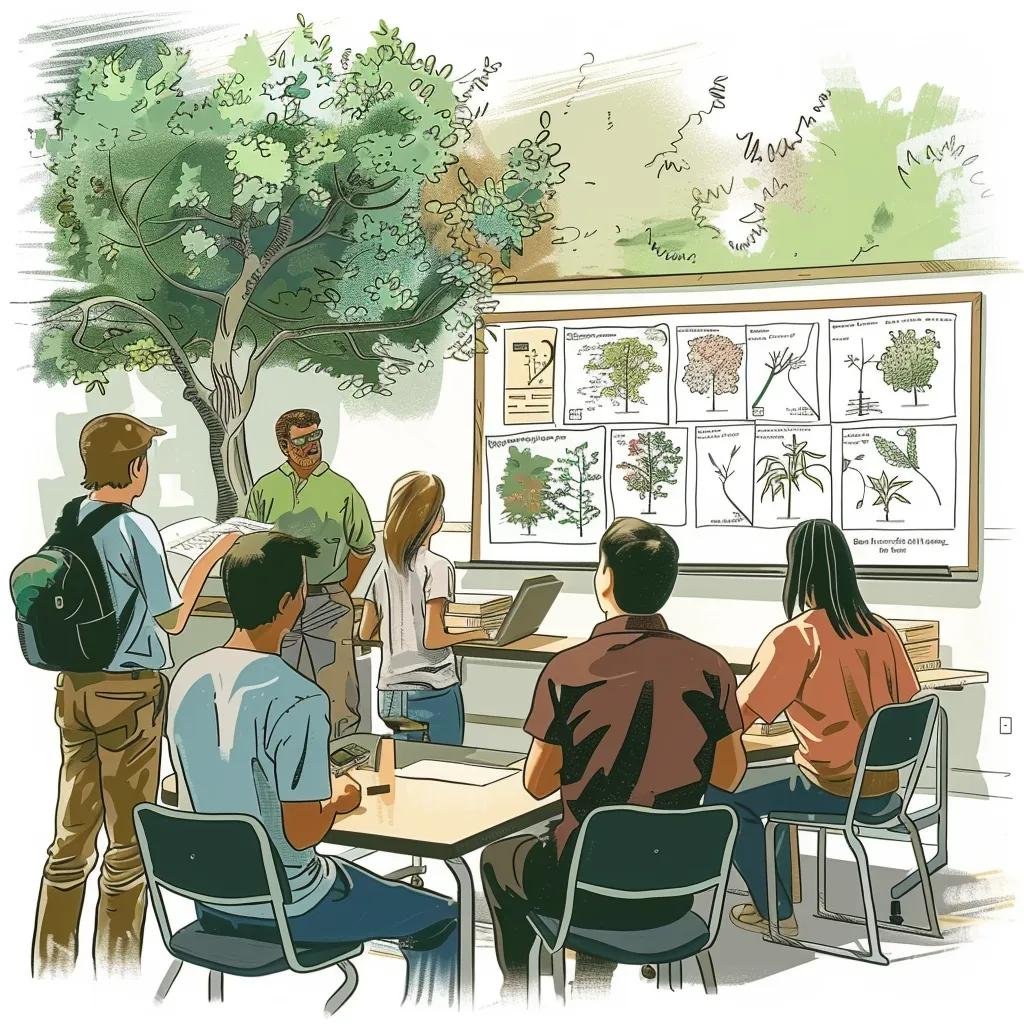
Experience and education form the foundation for certification. Candidates must accumulate a minimum of three years of full-time work in arboriculture or a combination of post-secondary horticulture or forestry education plus practical hours.
- 3 years of full-time tree care experience or
- 60 semester hours in horticulture/forestry plus 1 year of work
- Demonstrated competency in tree biology, pruning, and safety
Practical fieldwork under supervision fosters essential tree-risk assessment skills and prepares candidates for the ISA exam.
Arborist Certification Requirements
To become an ISA Certified Arborist, candidates must meet specific experience and education requirements, including a minimum of three years of full-time work in arboriculture or a combination of education and practical experience. This ensures that certified arborists possess a foundational understanding of tree care practices and safety protocols.
This research supports the article’s emphasis on the importance of experience and education as prerequisites for arborist certification.
How Does the ISA Certified Arborist Exam Work?
The ISA Certified Arborist exam evaluates theoretical knowledge and practical reasoning across key domains.
| Section | Attribute | Value |
|---|---|---|
| Tree Biology & Identification | Number of Questions | 50 |
| Practices & Safety | Duration | 2 hours |
| Diagnosis & Maintenance | Passing Score | ≥ 70% |
| Soil Science & Pruning | Question Format | Multiple choice |
The exam’s structured format ensures candidates possess verified expertise in tree identification, soil management, and hazard mitigation.
What Are Continuing Education Units (CEUs) and How Do They Maintain Certification?
Continuing Education Units (CEUs) support lifelong competence by requiring Certified Arborists to earn 30 CEUs every three years.
- ISA-approved workshops, conferences, and online modules
- Articles, presentations, and volunteer service in arboriculture
- Record submission via ISA portal to renew credentials
CEUs reinforce current best practices and encourage ongoing professional development.
Complete Step-by-Step Guide to Arborist Licensing & Certification
An arborist license is a mandatory government permit in many states, regulating tree care operations, safety compliance, and consumer protection alongside voluntary ISA credentials.
Which States Require a Tree Care License and What Are Their Specific Rules?
Several states mandate tree care licensure with unique criteria for experience, exams, and insurance.
| State | License Type | Key Requirements |
|---|---|---|
| Maryland | Licensed Tree Expert | 3-year experience, $100k liability insurance |
| California | C-61 Tree Trimmer | Trade exam, contractor bond |
| Texas | Arborist License | Practice log, state exam |
These regulations ensure operators meet local safety standards before performing commercial tree work.
How Do State Arborist Licenses Differ from National Certifications?
State licenses regulate legal authorization and consumer protection, while national certifications validate arboricultural expertise and professional ethics. Licenses focus on jurisdictional compliance; certifications emphasize technical knowledge and industry best practices.
State Licensing vs. National Certification
State arborist licenses primarily focus on legal authorization and consumer protection within a specific jurisdiction, while national certifications, like those from the ISA, validate arboricultural expertise and adherence to industry best practices. This distinction highlights the different purposes of state and national credentials.
This citation clarifies the difference between state licenses and national certifications, which is a key point in the article.
How Can Apprenticeship Programs Help You Obtain an Arborist License and Certification?
Apprenticeship programs provide structured on-the-job training and classroom instruction, accelerating eligibility for both state licensure and ISA certification.
What Are the Benefits of Arborist Apprenticeships?
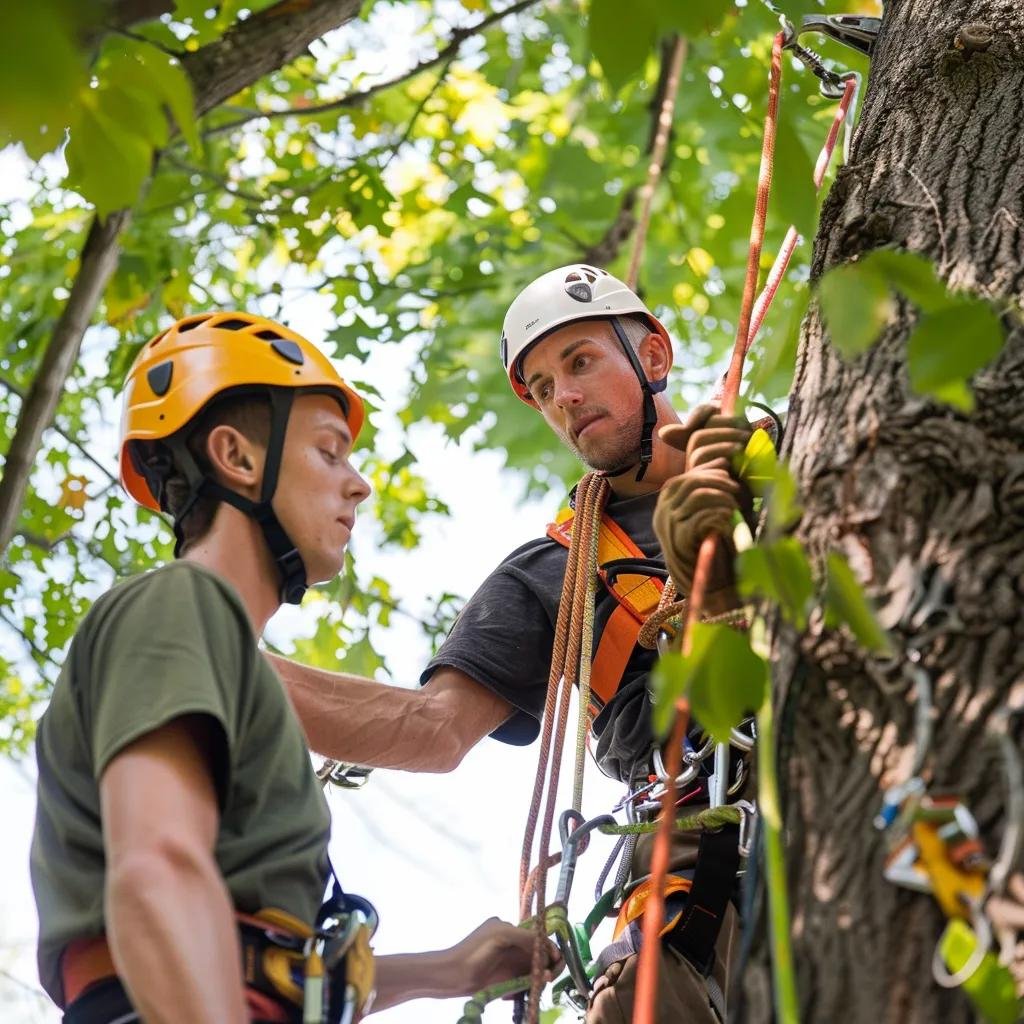
Apprenticeships enhance skill development and career readiness by offering:
- Paid practical experience under certified supervisors
- Exposure to safety protocols and equipment handling
- Access to formal instruction in arboriculture science
These benefits foster rapid competency growth and exam preparedness.
Benefits of Arborist Apprenticeships
Arborist apprenticeships offer structured on-the-job training, providing paid practical experience under certified supervisors, exposure to safety protocols, and formal instruction in arboriculture. These programs accelerate skill development and prepare individuals for both state licensure and ISA certification.
This research supports the article’s discussion of the advantages of arborist apprenticeships in terms of skill development and career readiness.
What Does a Typical Arborist Apprenticeship Curriculum Include?
A comprehensive curriculum combines theoretical modules and field tasks:
- Tree biology, soil science, and identification lectures
- Pruning techniques and plant health care workshops
- Safety training, aerial rescue drills, and equipment maintenance
Hands-on assignments reinforce classroom learning and build confidence for certification exams.
What Specialty Arborist Certifications Are Available Beyond the Basic License?
Beyond the foundational ISA Certified Arborist credential, several advanced qualifications address niche expertise and risk management.
What Is the Tree Risk Assessment Qualification (TRAQ) and Who Should Pursue It?
TRAQ validates proficiency in evaluating tree hazards and recommending mitigation strategies. Urban foresters, risk managers, and consulting arborists pursue this credential to enhance public safety and liability management.
How Do ISA Certified Tree Worker and Board Certified Master Arborist Credentials Differ?
| Credential | Scope | Advanced Focus | Ideal Candidate |
|---|---|---|---|
| Certified Tree Worker Climber | Climbing operations safety | Rigging, aerial rescue | Entry-level climbers |
| Board Certified Master Arborist | Advanced arboriculture theory | Research, consulting, management | Senior practitioners |
These credentials build on foundational skills to address specialized industry demands.
What Are the Career and Salary Benefits of Becoming a Licensed and Certified Arborist?
Certification and licensing elevate employability, command higher wages, and unlock advanced roles within arboriculture.
How Does Certification Impact Arborist Salary and Job Opportunities?
Certified Arborists typically earn 10–20% more than non-certified peers and attract a wider range of job offers. Employers value demonstrated competence, leading to roles in municipal forestry, consulting, and utility vegetation management.
What Are Common Job Roles and Responsibilities for Certified Arborists?
Certified arborists fulfill diverse responsibilities, including:
- Conducting tree inventories and risk assessments
- Designing and implementing pruning and maintenance plans
- Advising on tree health and soil management
- Supervising crews and ensuring regulatory compliance
These roles leverage certification to support safe, sustainable tree care.
Becoming a licensed and certified arborist aligns professional practice with industry standards and safety regulations while unlocking specialty credentials and enhanced earning potential. By following this step-by-step roadmap—covering core requirements, state regulations, apprenticeship strategies, specialty credentials, and career benefits—aspiring tree care professionals can confidently chart their certification journey and advance their arboricultural expertise.